Don’t confuse them! Standard ductile iron pipes, self-anchoring pipes, and pipe jacking pipes are three completely different types of piping.
Selection Guide for Standard Pipes, Self-Anchored Pipes, and Pipe Jacking
After working in the water supply industry for a long time, I’ve noticed a common pitfall that many clients and construction teams tend to fall into:
Treating standard pipes, self-anchoring pipes, and jacking pipes as if they were all the same thing!
Many people assume that since they just have different names, they’re essentially interchangeable.
That’s a huge mistake!
Although all three are called “ductile iron pipes,” they differ in structure, joint types, construction methods, and suitable applications—they absolutely cannot be used interchangeably!
This article will explain everything in detail, so you’ll never again face confusion, rework, or wasted money when selecting the right product.
I. Standard Ductile Iron Pipes: The Mainstay of Conventional Underground Water Supply Systems
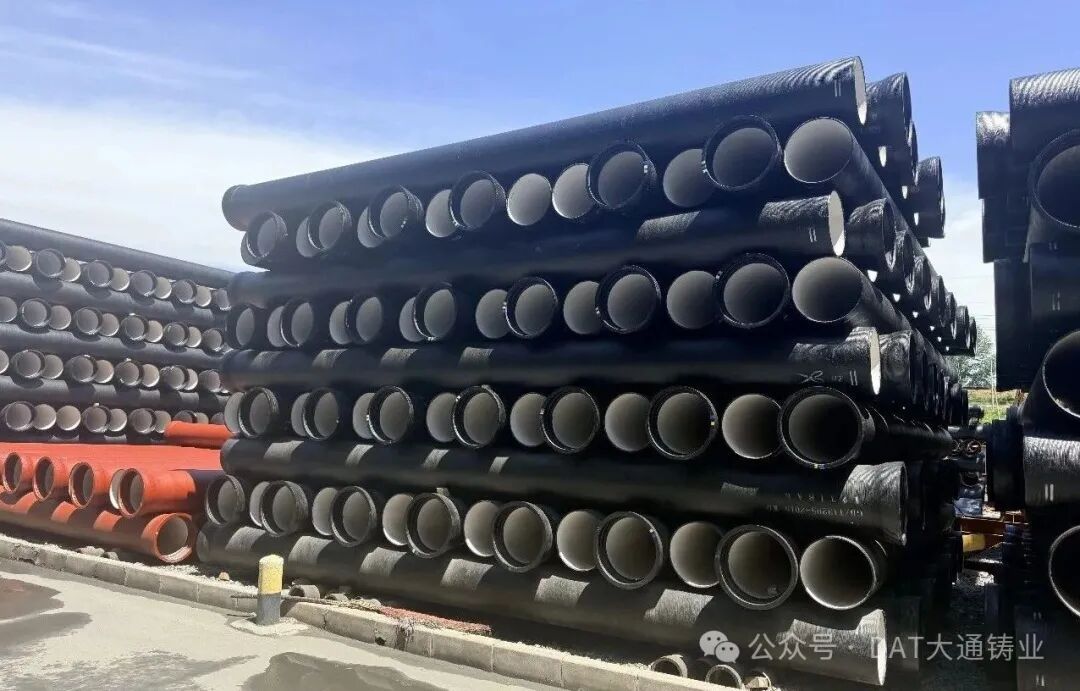
Core Application:
• Flat terrain, moderate slopes, and standard excavation projects
• Standard socket-type ductile iron pipes (primarily T-type joints) are the most commonly used and fundamental pipes in municipal road construction, rural water supply, and residential pipeline networks.
Features:
• Flexible socket joints that allow for slight bends
• Standard corrosion protection and pipe wall thickness
• Suitable for excavation and underground installation
• Cost-effective and highly versatile
Suitable Applications:
• Standard water supply projects with gentle terrain, low gradients, normal water pressure, and direct excavation and backfilling.
Limitations:
• Not suitable for steep gradients, significant elevation differences, or long-distance high-pressure water conveyance, as joints are prone to dislodgement;
• Cannot be installed using pipe jacking methods and is not suitable for trenchless crossings.
II. Self-anchoring ductile iron pipes: Designed specifically to prevent dislodgement, addressing terrain-related challenges
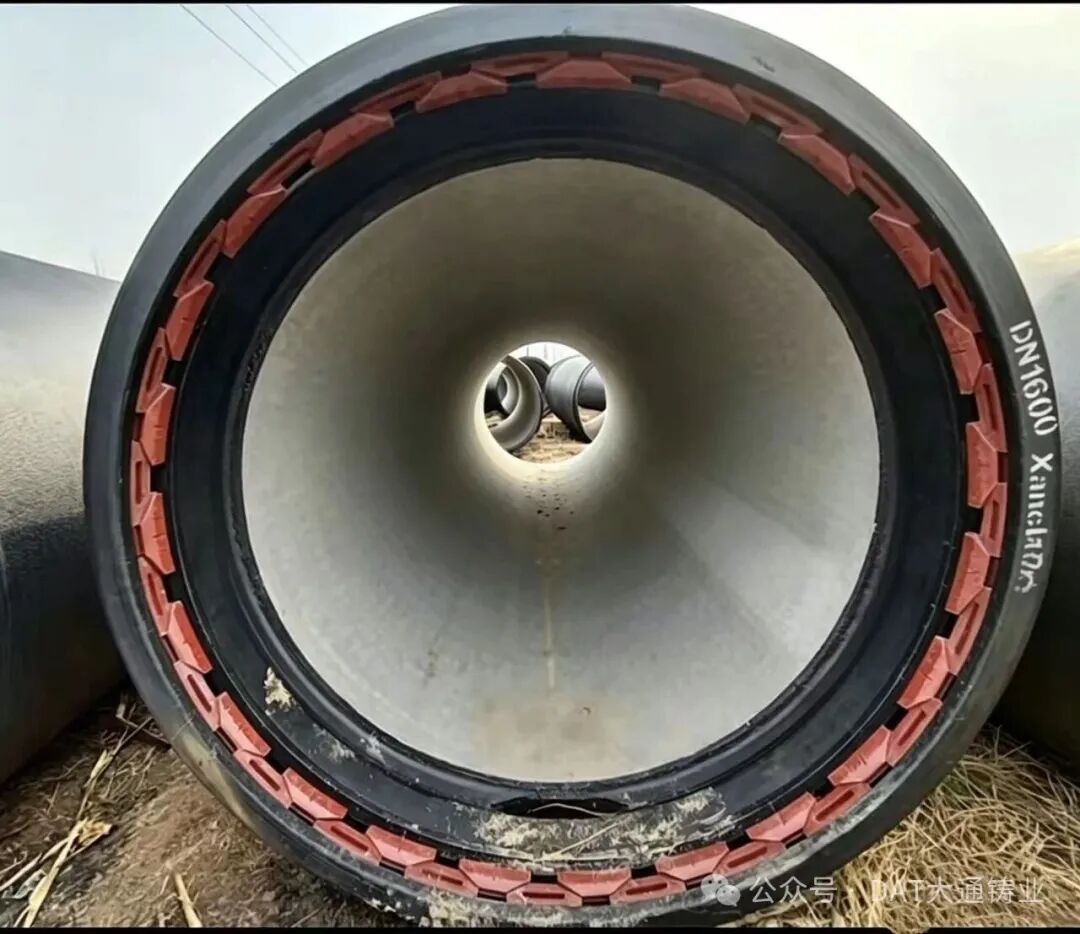
Core Positioning:
It’s still an “open-cut pipe”—just with an upgraded joint!
Key takeaway:
Self-anchoring = An upgraded version of standard pipes (with a locking mechanism). It’s still an open-cut buried pipe—not a pipe jacking system!
The biggest misconception among many clients: thinking self-anchoring pipes can be used for pipe jacking. They cannot!
Unique Advantages of Self-Anchoring Pipes:
A mechanical self-locking anchoring structure is added inside the socket joint
• Automatically locks upon insertion, providing strong resistance to pull-out
• Prevents pipe dislodgement on steep slopes, with significant elevation differences, and in mountainous areas
• Significantly reduces the number of abutments and supports needed, saving civil engineering costs
• Provides greater stability for high-pressure, long-distance pipeline networks
Ideal Applications:
Mountainous and hilly terrain, riverbanks, steep slopes, significant elevation differences, and long-distance high-pressure water conveyance projects.
Key Differences:
Conventional pipes struggle with steep slopes and are prone to dislodgement;
Self-anchoring pipes are specifically designed to address issues with steep slopes, significant elevation differences, and high-pressure dislodgement.
III. Ductile Iron Pipes for Pipe Jacking: Designed for trenchless installation and crossing roads and rivers
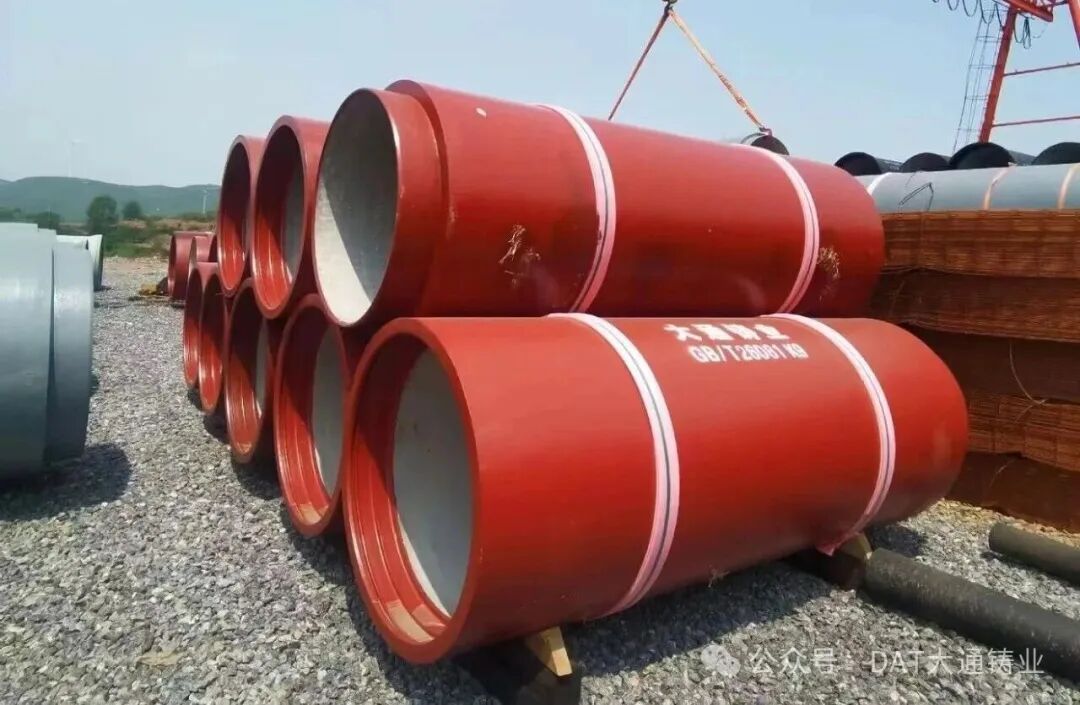
Core Positioning:
Specialized pipe designed exclusively for “trenchless, direct pipe jacking”
Pipe jacking, standard pipes, and self-anchoring systems are entirely distinct systems!
This is not merely an upgrade to the joints; it is a complete redesign of the entire pipe structure:
Unique Features of Pipe Jacking:
• Increased wall thickness, reinforced material, and exceptional resistance to jacking forces
• Specially designed pipe joints that withstand massive axial thrust without breaking or deforming
• Features error-tolerant, misalignment-proof, and crush-resistant designs for pipe jacking operations
• Corrosion-resistant coating optimized for long-distance underground jacking environments
Completely different construction methods:
• Conventional pipes, self-anchored pipes: Excavation and burial
• Pipe jacking: Trenchless, mechanical jacking, crossing roads, rivers, and railways
Suitable Applications:
Major urban thoroughfares, underpasses beneath highways, river crossings, and critical sections with dense utility networks where excavation is not feasible
IV. A Single Sentence That Clearly Distinguishes the Three (Be Sure to Save This)
1. Standard Ductile Iron Pipes
Suitable for open-cut excavation and conventional water supply; offers excellent value for money and is a standard, versatile option.
2. Self-Anchoring Ductile Iron Pipes
Still requires open-cut installation but features a self-locking mechanism to prevent dislodgement, making them ideal for mountainous terrain, steep slopes, projects with significant elevation changes, and situations where pipe dislodgement is a concern.
3. Ductile Iron Pipes for Pipe Jacking
Specialized non-excavation pipes with ultra-high structural strength, designed specifically for crossing roads and rivers; not suitable for general underground installation.
V. When selecting equipment for a project, remember this: never mix and match!
❌ Using standard pipes on steep slopes under high pressure → Pipe dislodgement, leaks, and rework later on
❌ Using self-anchoring pipes instead of pipe jacking for road crossings → Direct damage during jacking, rendering joints unusable
❌ Using self-anchored pipes on flat terrain throughout the project → Unnecessarily high cost; not required
✅ Flat terrain (standard conditions) = Standard ductile iron pipes
✅ Steep slopes in mountainous areas, high-pressure applications requiring anti-displacement protection = Self-anchored ductile iron pipes
✅ Road and river crossings, where open-cut excavation is prohibited = Pipe jacking ductile iron pipes
At first glance, they may all look like ductile iron pipes,
but in reality, they differ in structure, function, installation methods, and cost.
Choose the right pipes, and your project will pass inspection with flying colors and zero hidden risks;
choose the wrong ones, and you’ll face costly repairs, rework, and doubled expenses down the line.
Professional pipe selection, project coordination, and custom solutions from stock
We welcome project owners and contractors to contact us anytime for consultation and collaboration!
Navigation
Send Us A Message

First class quality service and professional after-sales team.
Get in Touch
*We respect your confidentiality and all information are protected.