Navigation
Send Us A Message
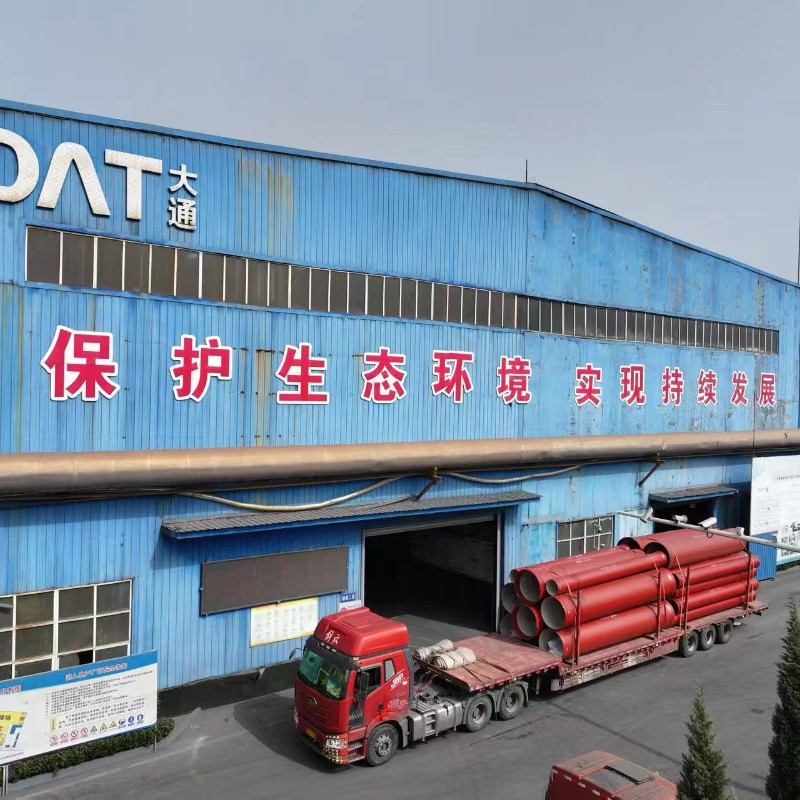
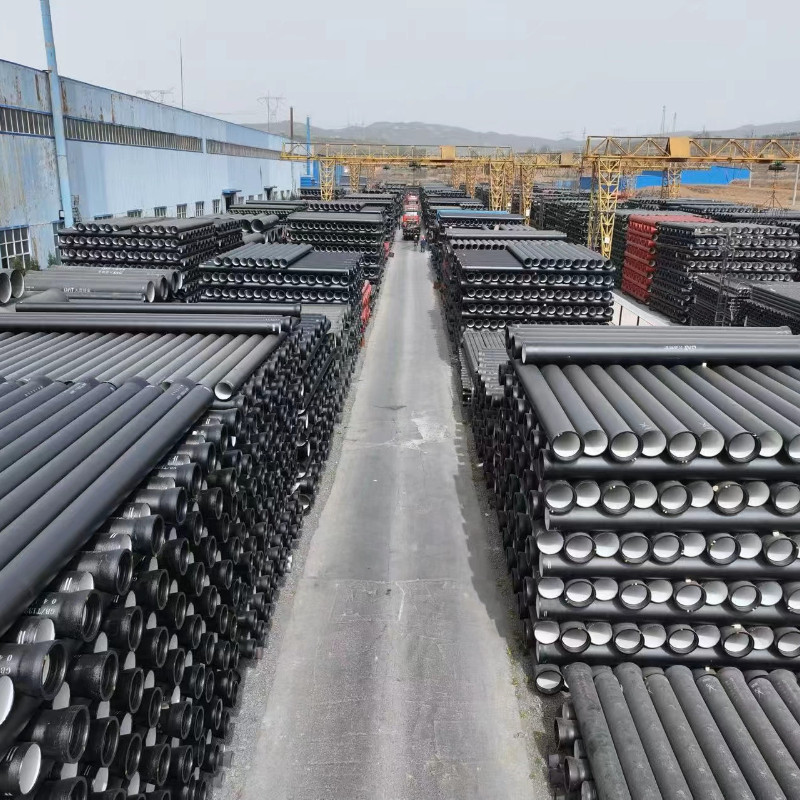
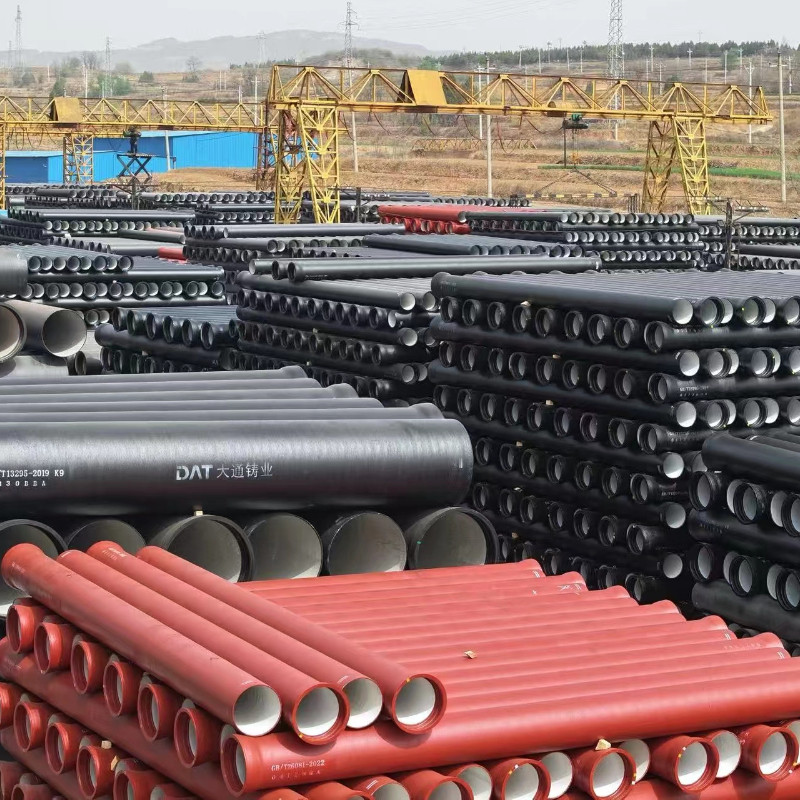
Ductile Iron Pipe K9C40C30C25
134
Company established
36000
m²
Factory Base
0
+
variety
0
+
Exporting Countries
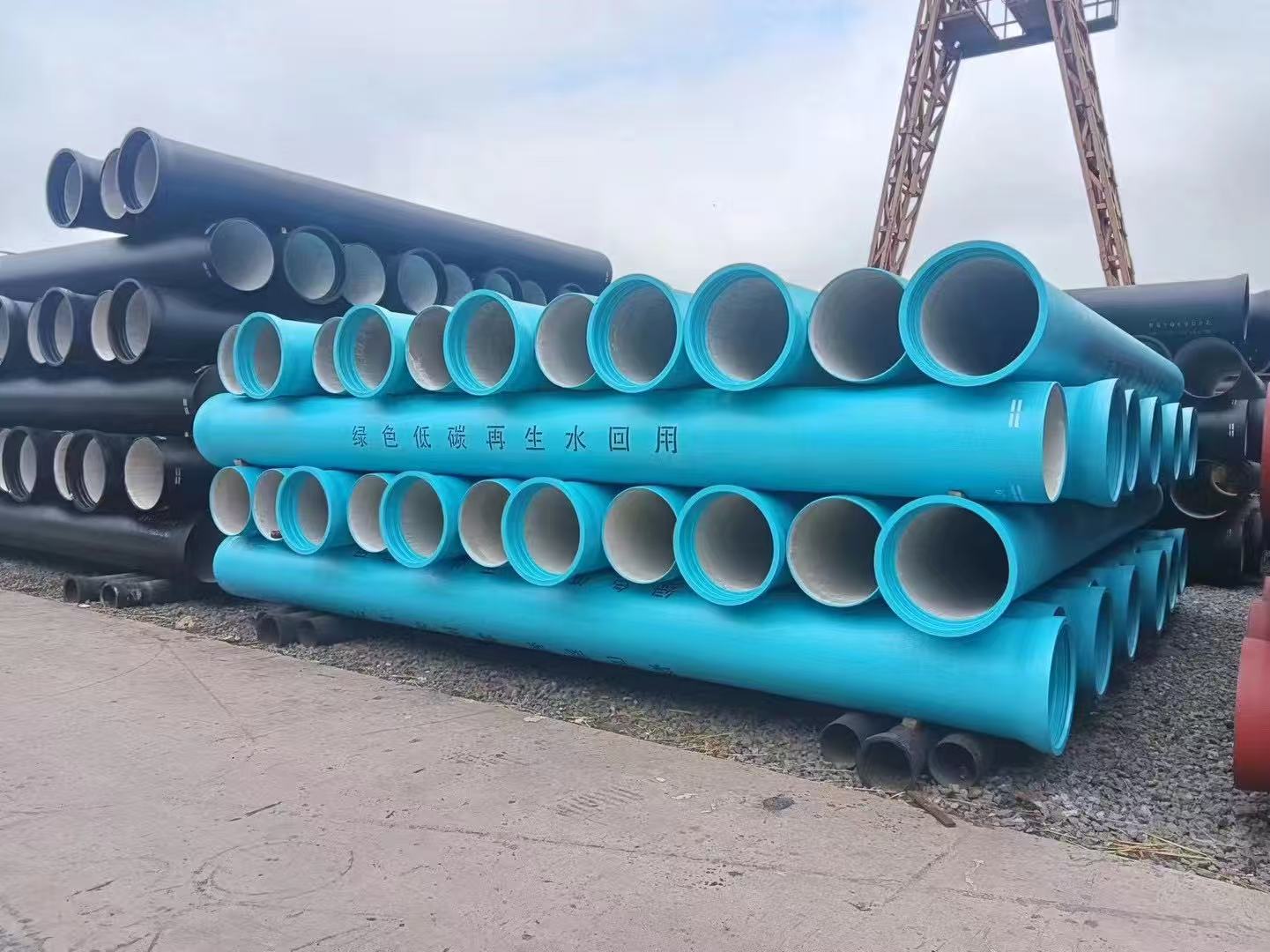
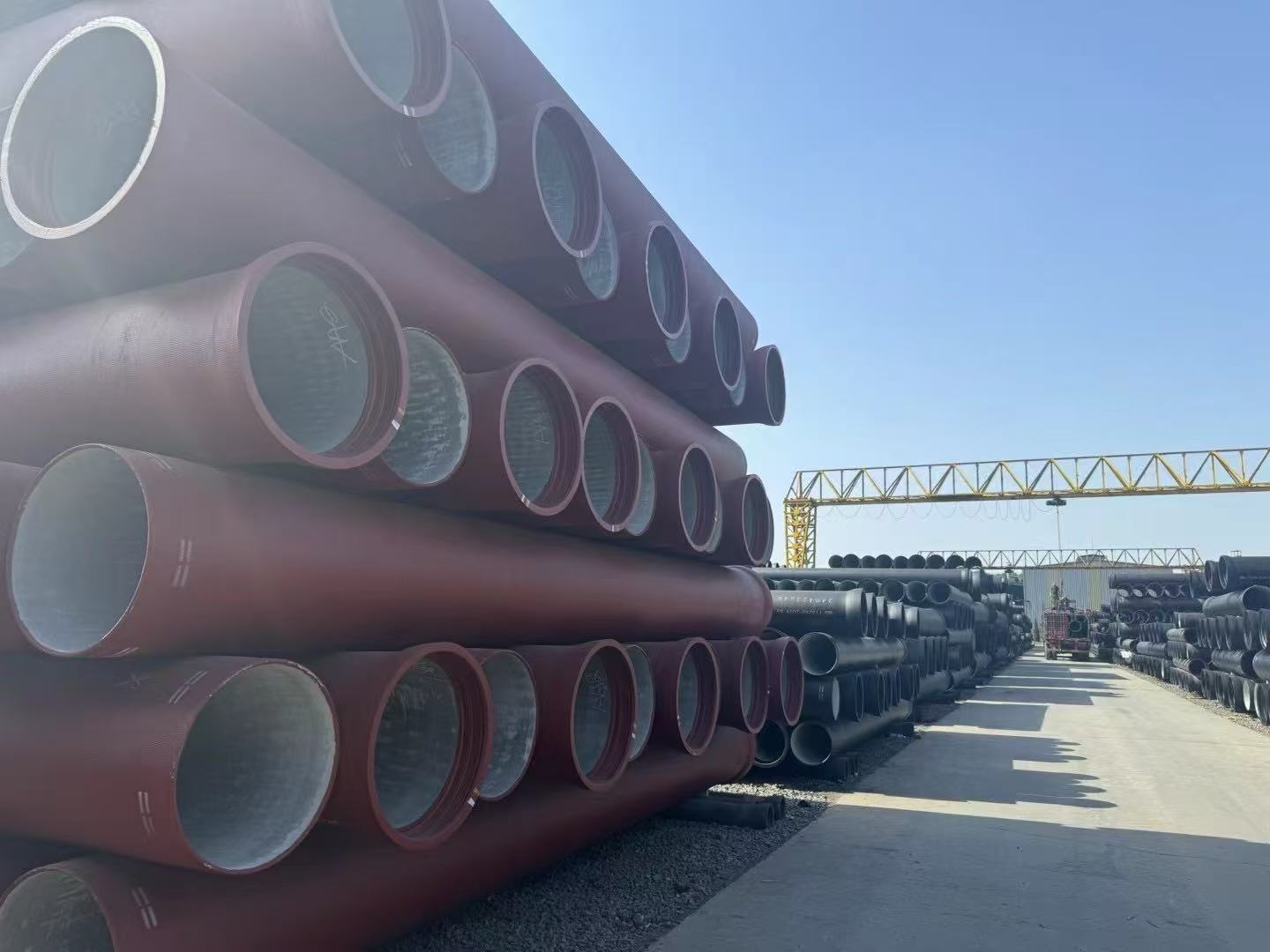
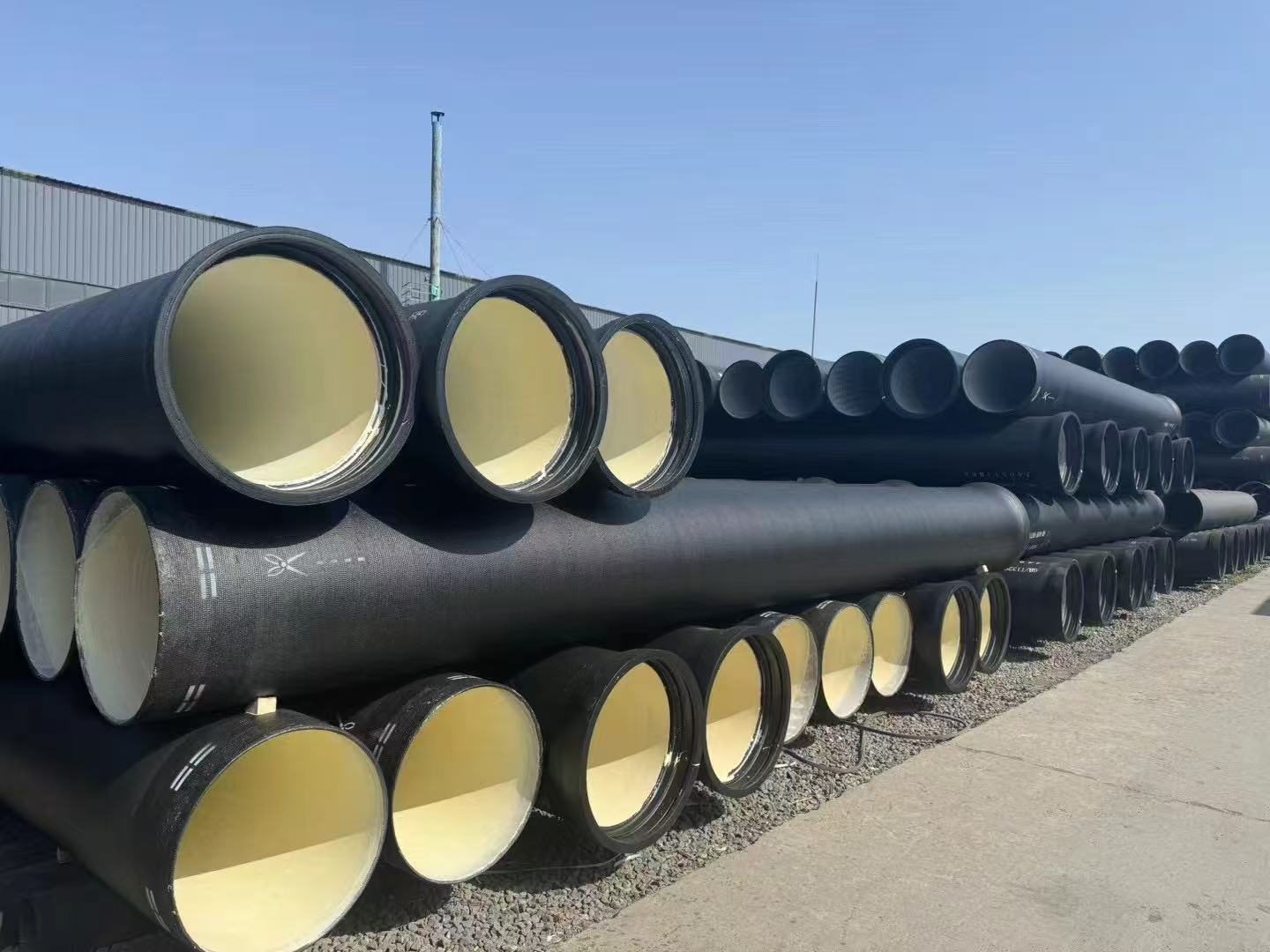
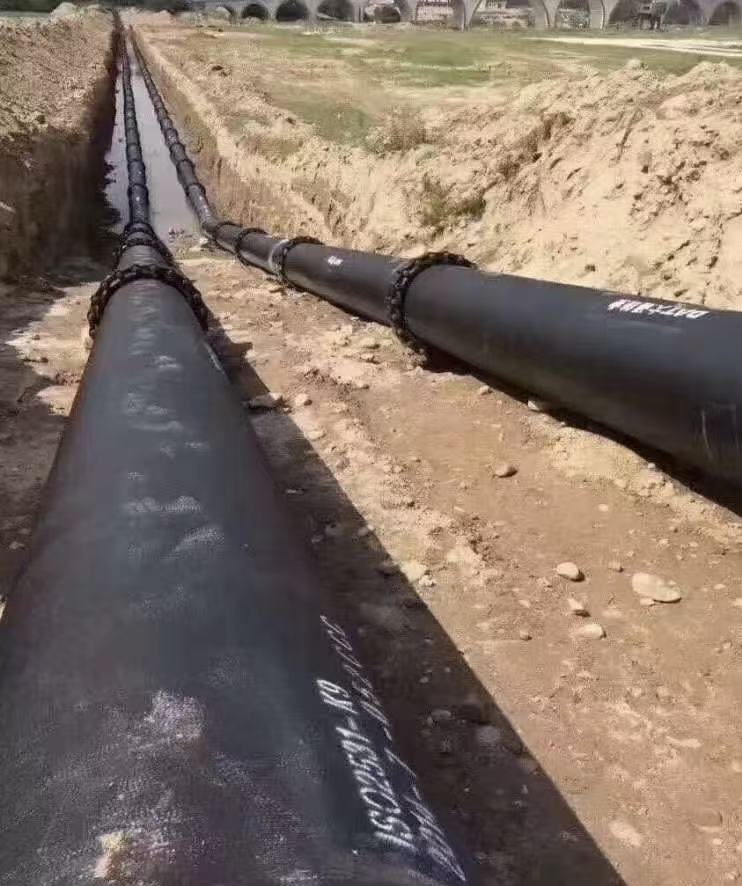
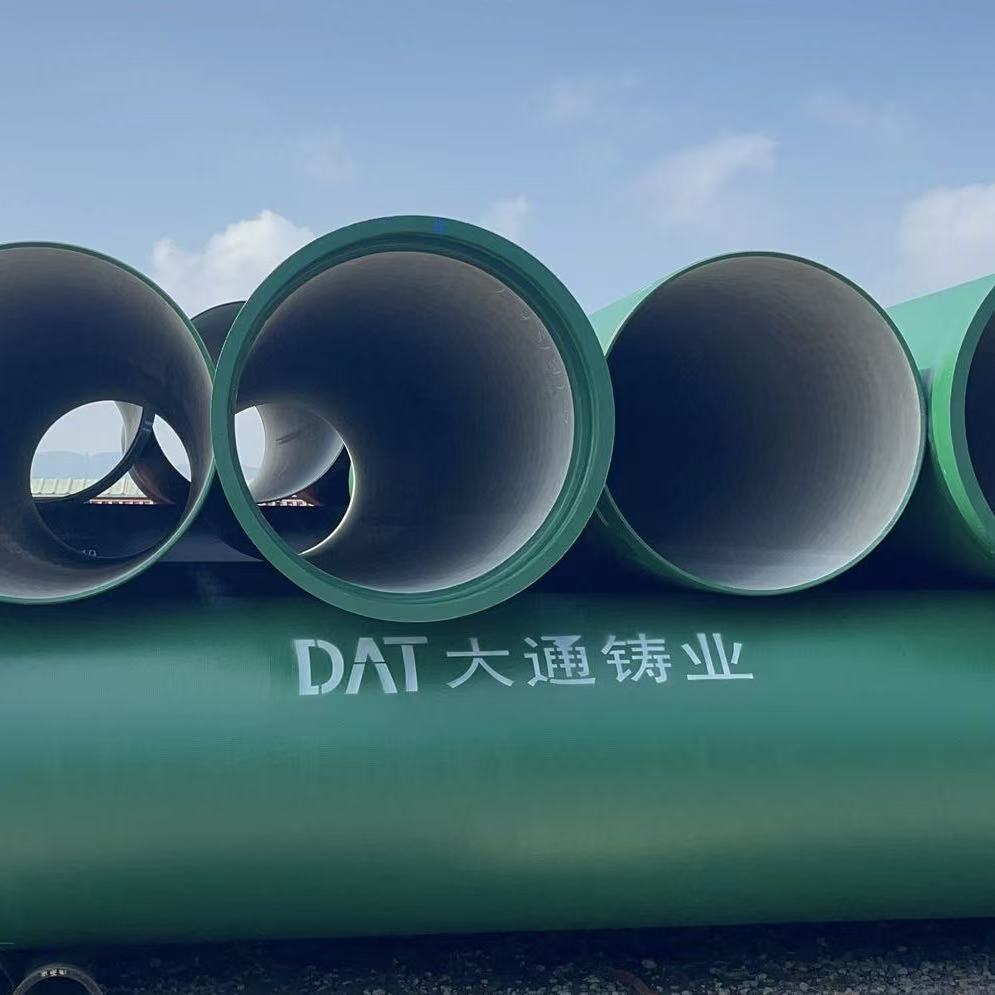
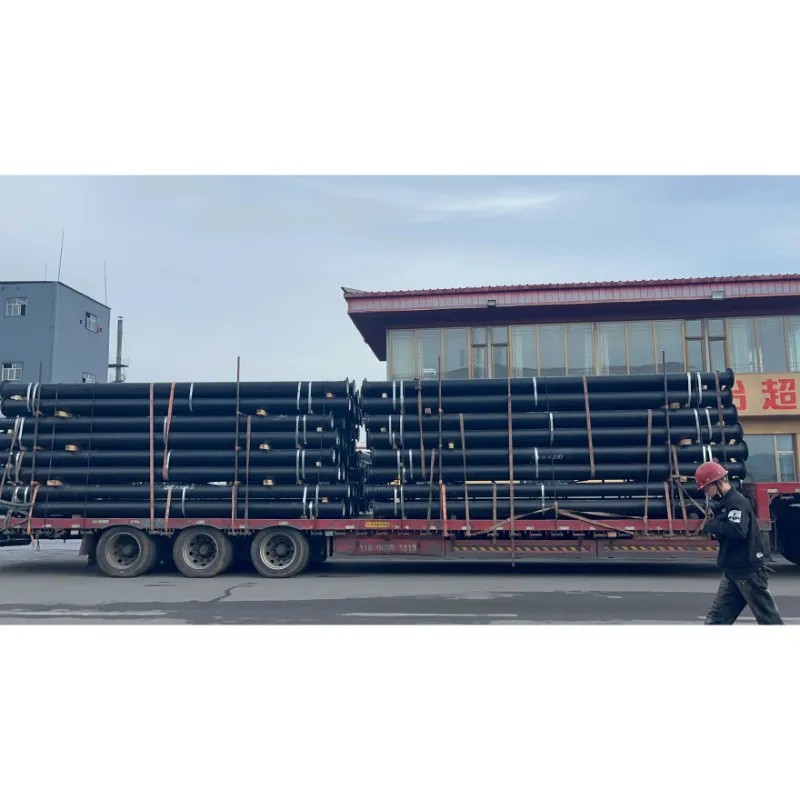
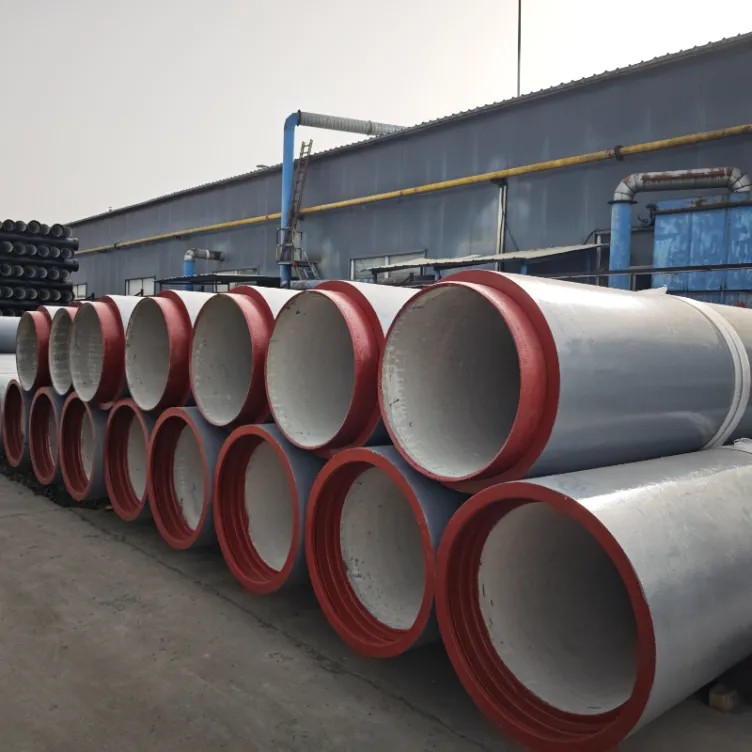
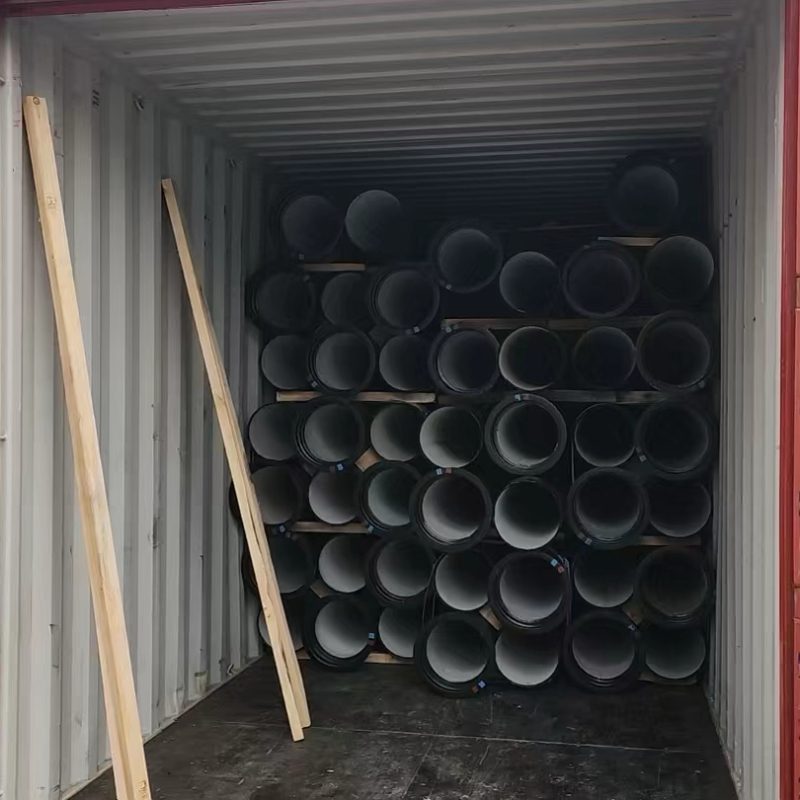
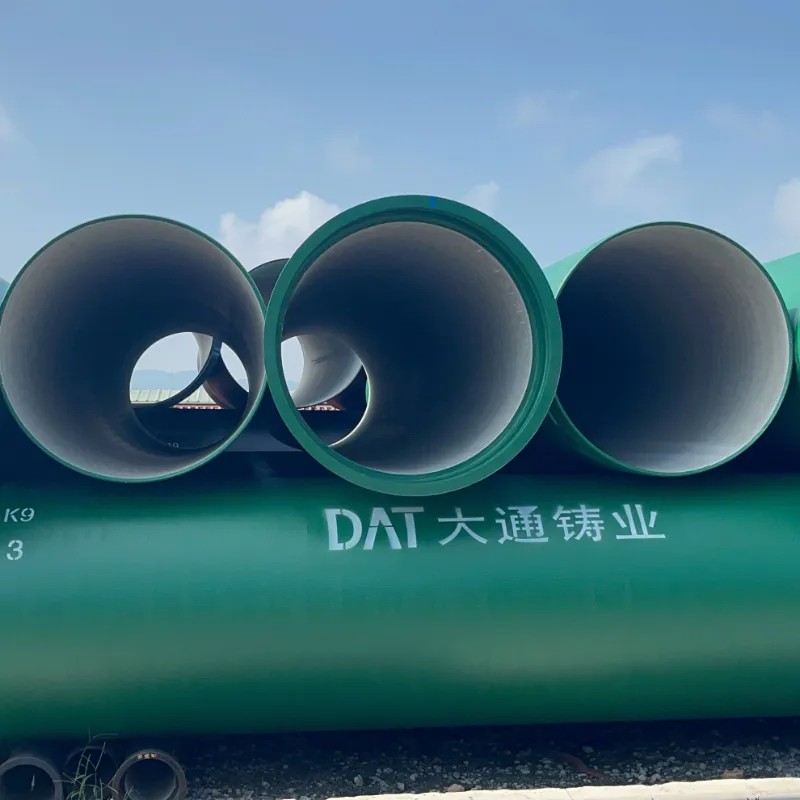
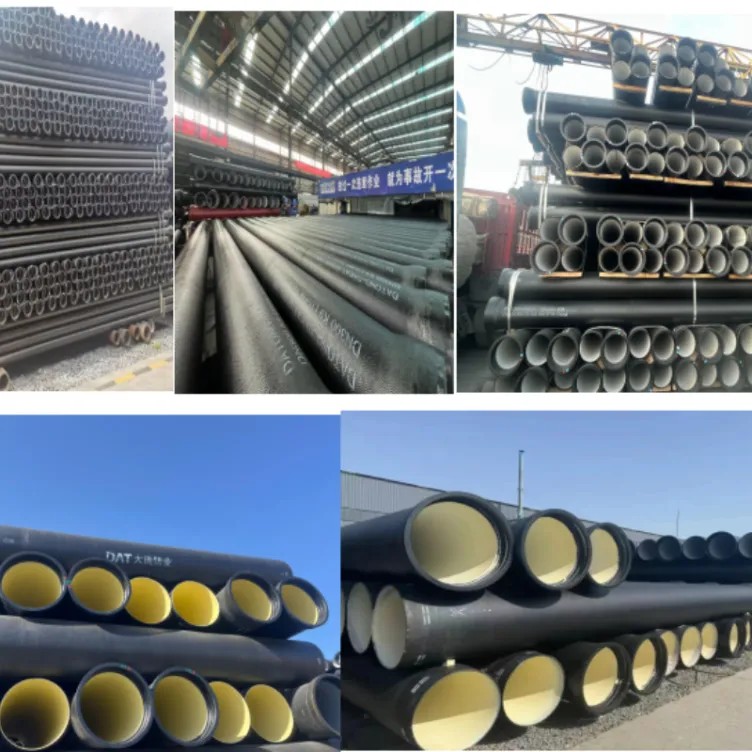
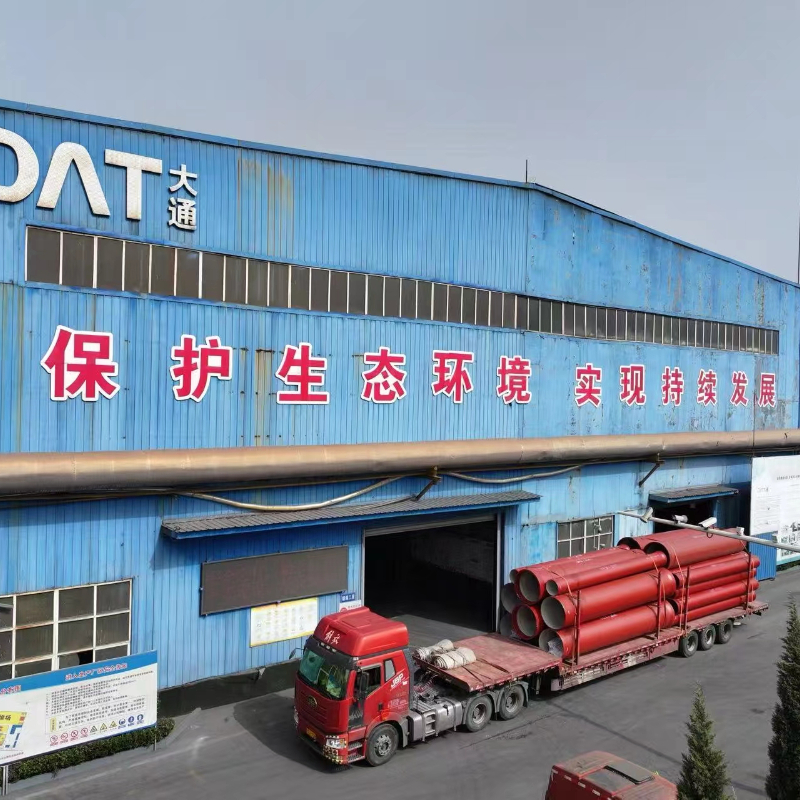
The T-type Joint Pipes (Push-on) produced by our company range from DN80mm to DN2600mm are flexibly jointed with sockets and spigots; they are the first choice in urban water pipe networks due to their convenient installation, strong seismic performances, seal ability and corrosion resistance.
K7 ductile iron pipe is one of the most widely used pipe classes for municipal water supply, wastewater transport, irrigation, and industrial fluid systems. Manufactured according to international standards such as ISO 2531, EN 545, and EN 598, K7 pipes offer an optimal balance between strength, weight, and cost, making them a preferred choice for underground pressure pipelines worldwide.
This guide explains everything buyers, engineers, and project managers need to know about K7 ductile iron pipes, including specifications, pressure ratings, applications, advantages, and how to choose the right supplier.
What Is a K7 Ductile Iron Pipe?
A K7 ductile iron pipe refers to a pipe with a specific wall thickness class (K-class) defined under ISO and EN standards. The “K” classification determines the pipe wall thickness based on nominal diameter (DN), ensuring sufficient strength to withstand:
Internal pressure from transported fluids
External loads from soil and traffic
Handling and installation stresses
Compared with higher classes like K8, K9, or K12, K7 pipes have slightly thinner walls, making them lighter and more economical while still providing excellent mechanical strength.
K7 Ductile Iron Pipe Standards and Specifications
K7 ductile iron pipes are manufactured in accordance with major international standards:
ISO 2531 – Ductile iron pipes for water applications
EN 545 – Pipes for potable water supply
EN 598 – Pipes for wastewater and sewage
BS EN standards – European compliance
AWWA C151/C150 – Common reference in North America
Common Technical Parameters
These specifications ensure compatibility with global infrastructure projects.
Wall Thickness and Strength Characteristics
The K-class system defines wall thickness based on pipe diameter. As the diameter increases, the wall thickness increases proportionally to maintain structural strength.
Key strength features of K7 ductile iron pipe include:
High tensile strength (≥ 420 MPa)
High yield strength (≥ 300 MPa)
Excellent impact resistance
Superior load-bearing capacity for buried pipelines
This makes K7 suitable for most municipal and industrial pressure systems.
Internal and External Protection Options
Corrosion protection is essential for long-term pipeline durability. K7 ductile iron pipes typically include:
Internal Lining Options
Portland cement mortar lining (standard for potable water)
Sulfate-resistant cement lining
Epoxy lining (industrial or aggressive fluids)
Ceramic epoxy (sewage and abrasion resistance)
External Coating Options
Zinc coating + bitumen finishing layer
Zinc-aluminum alloy coating
Fusion bonded epoxy (FBE)
Polyethylene sleeve protection
Polyurethane coating (severe corrosion environments)
Proper coating selection can extend service life beyond 50–100 years.
Common Applications of K7 Ductile Iron Pipe
K7 ductile iron pipes are widely used in infrastructure and industrial projects.
1. Municipal Water Supply Systems
They are ideal for transporting potable water due to their strength, safety, and durability.
Typical uses:
Urban distribution networks
Main transmission pipelines
Pumping stations
2. Wastewater and Sewage Systems
With proper lining, K7 pipes resist corrosion from sewage and chemicals.
Applications include:
Gravity sewage pipelines
Pressure sewage pipelines
Wastewater treatment plants
3. Irrigation and Agricultural Systems
K7 pipes are commonly used in irrigation due to their reliability and low maintenance.
Examples:
Agricultural water transport
Large irrigation networks
Reservoir connections
4. Industrial Fluid Transport
Suitable for transporting:
Industrial water
Cooling water
Process fluids
Advantages of K7 Ductile Iron Pipe
1. Excellent Strength-to-Weight Ratio
Compared with higher K-classes, K7 pipes offer sufficient strength with lower weight, reducing transportation and installation costs.
2. Long Service Life
Properly coated ductile iron pipes can last over 100 years, significantly reducing lifecycle costs.
3. High Resistance to External Loads
They withstand:
Heavy traffic loads
Deep burial conditions
Soil pressure
4. Leak-Free Joint Systems
Push-on rubber gasket joints provide:
Fast installation
Flexible movement
Excellent sealing performance
5. Corrosion Resistance
Advanced coatings protect against soil corrosion, chemicals, and moisture.
6. Cost-Effective Solution
Lower material weight and long lifespan reduce total project cost.
K7 vs K9 Ductile Iron Pipe: Key Differences
Buyers often compare K7 and K9 pipes when selecting pipeline materials.
K7 is ideal for most standard water and sewage systems, while K9 is preferred for higher pressure requirements.
Joint Types Available for K7 Pipes
Different joint systems are available depending on project requirements.
Push-On Joint (Tyton Joint)
Most common type.
Benefits:
Quick installation
Flexible
Leak-proof sealing
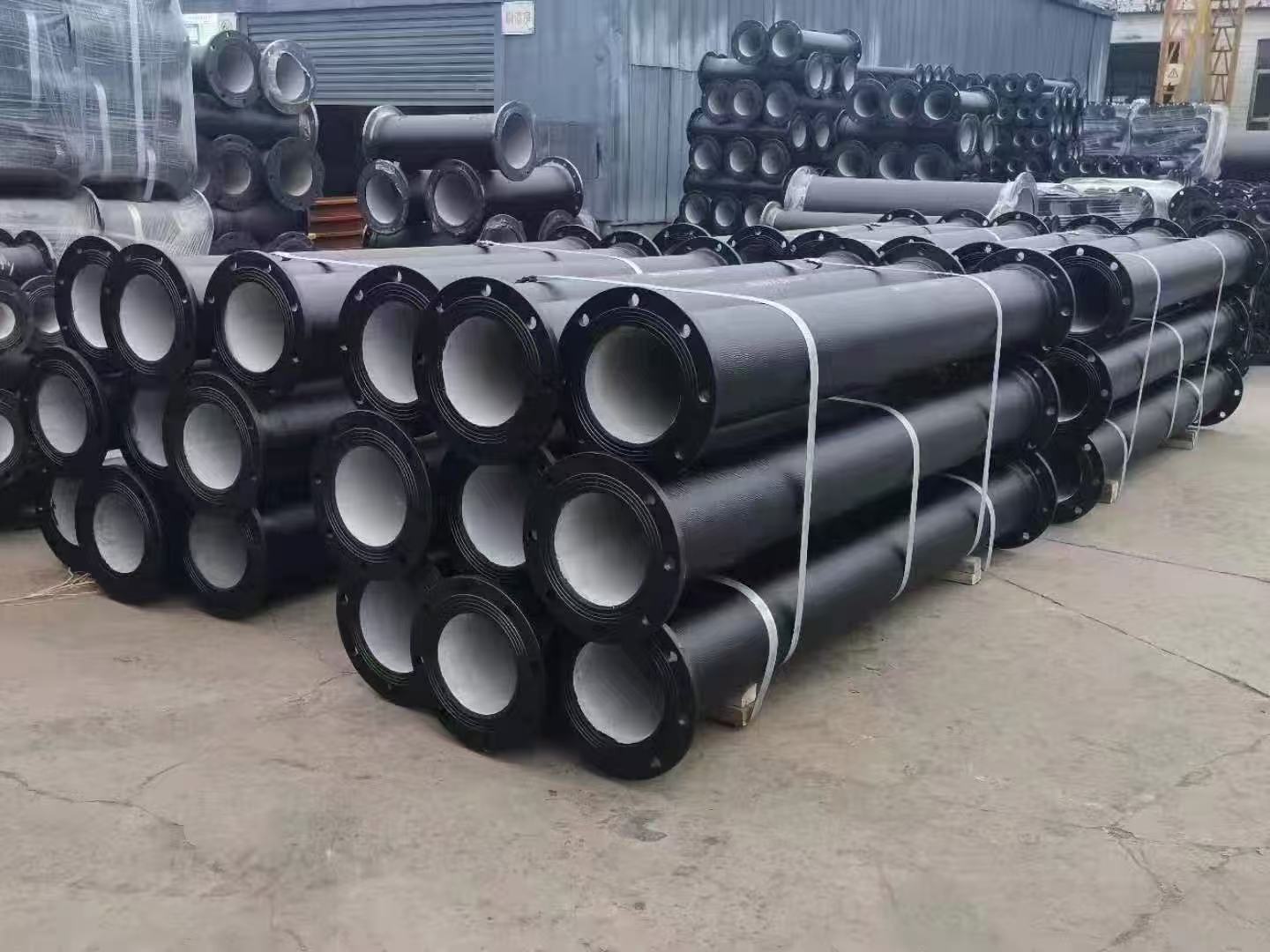
Flanged Joint
Used in:
Pump stations
Above-ground pipelines
Mechanical Joint
Suitable for maintenance and repair work.
Installation Advantages
K7 ductile iron pipes are easy to install due to:
Standardized dimensions
Flexible joints
Strong structural integrity
Compatibility with various fittings
This reduces installation time and labor costs.
Quality Control and Manufacturing Process
High-quality K7 ductile iron pipes are manufactured using:
Centrifugal casting technology
Magnesium treatment to create ductile structure
Precision machining of spigot and socket
Cement lining application
Zinc coating and finishing
Each pipe undergoes:
Hydrostatic pressure testing
Dimensional inspection
Coating thickness inspection
How to Choose the Right K7 Ductile Iron Pipe Supplier
When sourcing K7 ductile iron pipes, buyers should evaluate:
Certification
Look for compliance with:
ISO 2531
EN 545
EN 598
WRAS or potable water approvals
Coating Options
Ensure coatings match your soil and environmental conditions.
Manufacturing Capacity
Reliable suppliers offer consistent quality and timely delivery.
Project Experience
Suppliers with experience in municipal and infrastructure projects are preferred.
Customization Capability
Ability to provide:
Custom lengths
Special coatings
Various joint types
Why K7 Ductile Iron Pipes Are a Reliable Choice for Infrastructure Projects
K7 ductile iron pipes provide an excellent balance between durability, cost efficiency, and performance. Their long service life, corrosion resistance, and ease of installation make them a trusted solution for water supply, sewage, and industrial pipeline systems worldwide.
For municipal engineers, contractors, and distributors, choosing certified K7 ductile iron pipes ensures reliable pipeline performance and reduced long-term maintenance costs.
Request A Quote! We'll respond as soon as possible(within 12 hours)
Related Products
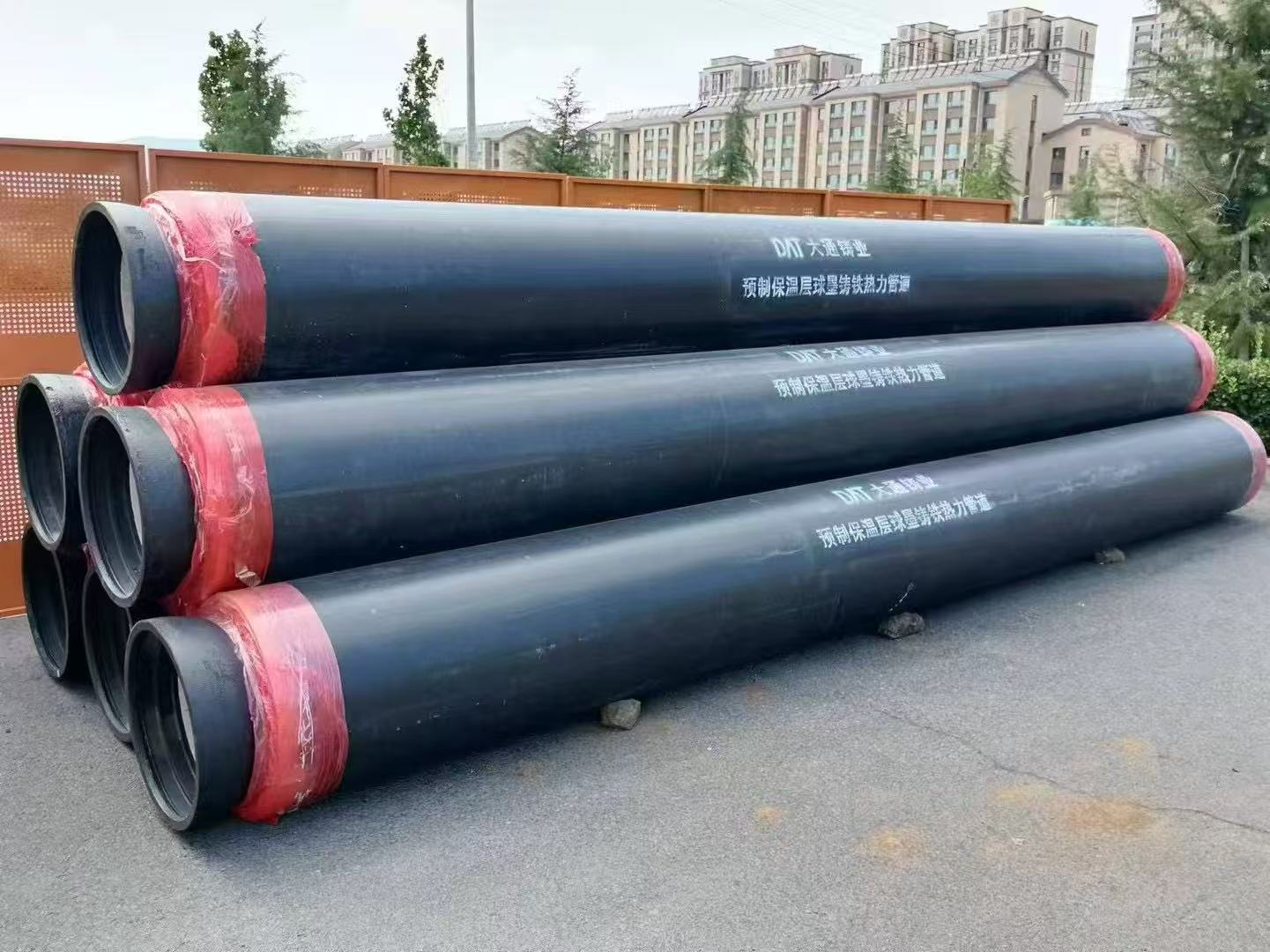
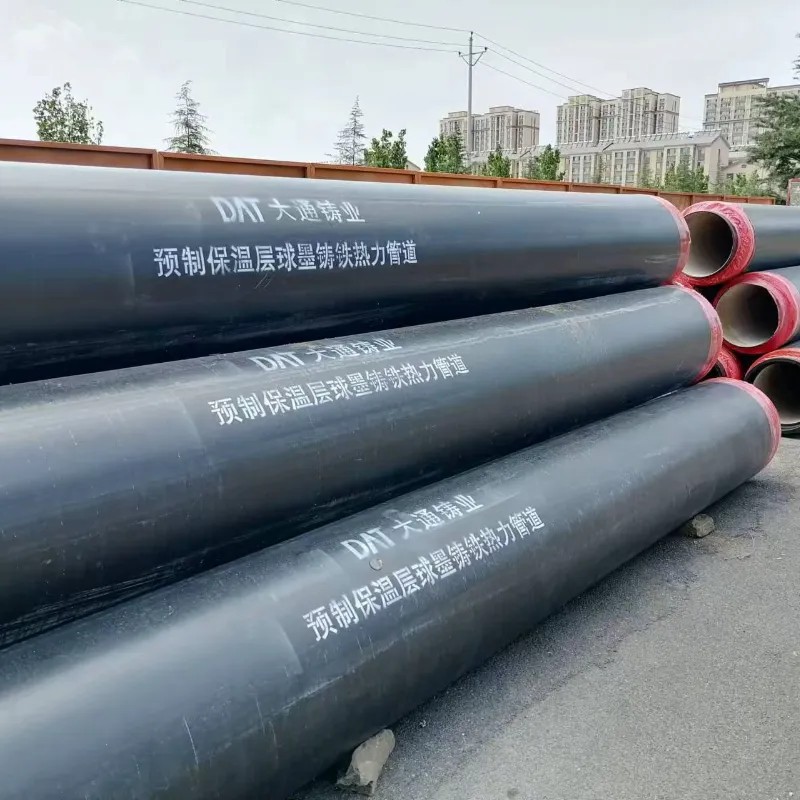
") Pre-insulated Ductile Iron Pipe (Thermal Piping)
Pre-insulated Ductile Iron Pipe (Thermal Piping)Learn More
 Ductile Iron Water Pipe
Learn More
 Ductile Iron Double-Flanged Pipe
Learn More
 Ductile Iron Drainage Pipe
Learn More
 Custom Epoxy-Lined Ductile Iron Pipe
Learn More
 Ductile Iron Pulling Pipe
Learn More
 Custom Ductile Iron Jacking Pipes
Learn More
 Custom Ductile Iron Jacking Pipes
Learn More
 Ductile Iron Water Supply Pipe
Learn More
 Ductile Iron TF-Type Self-Anchoring Pipe
Learn More
 Grade C Ductile Iron Pipe
Learn More
 Flanged Di Pipe
Learn More
 Heating Pipe
Learn More
 Jacking Pipe
Learn More
 Ductile Iron Pipe Export ISO2531 & EN545
Learn More
 Ductile Iron Pipe Erternal Paint with Epoxy
Learn More
 Ductile Iron Pipe K9
Learn More
 Ductile Iron Pipe K9C40C30C25
Learn More

First class quality service and professional after-sales team.
Get in Touch
*We respect your confidentiality and all information are protected.