How Long Does a ductile iron pipe Last Underground?
A ductile iron pipe can last underground for several decades, but its actual service life depends on soil conditions, corrosion protection, installation quality, water chemistry, and operating pressure. For engineers, project planners, and information researchers comparing pipe materials, understanding these factors is essential before estimating long-term performance and lifecycle cost. This article explains the typical lifespan of underground ductile iron pipes, what affects durability, and how proper manufacturing, coating, sealing, and installation practices help extend reliable service in water supply and infrastructure projects.
What Is the Realistic Underground Lifespan of a Ductile Iron Pipe?
In many buried water supply systems, a ductile iron pipe is expected to serve for 50 years or longer when properly selected, protected, installed, and operated. In favorable environments, service life can extend beyond that range.
However, lifespan should not be treated as a fixed number. Underground pipelines face variable soil resistivity, moisture, stray currents, traffic loads, settlement, pressure surges, and chemical exposure. These conditions directly influence corrosion rate and joint stability.
Key factors that change service life
- Soil corrosivity, including low resistivity, high chloride content, sulfates, acidity, and long-term moisture retention around the pipe wall.
- External protection, such as zinc coating, bituminous coating, polyethylene sleeving, cement mortar lining, or project-specified corrosion control systems.
- Installation quality, including bedding, trench compaction, joint assembly, deflection control, thrust restraint, and avoidance of coating damage.
- Operating conditions, including internal pressure, water hammer, flow velocity, water chemistry, and maintenance access during future repair work.
For information researchers, the practical question is not only “how long does it last?” but “what project controls make that lifespan achievable?” That is where material selection, factory quality, and site discipline work together.
How Soil and Corrosion Conditions Affect Underground Durability
A ductile iron pipe has high mechanical strength and impact resistance, but underground corrosion risk must be evaluated before procurement. Two sites using the same pipe can show different long-term outcomes if soil chemistry differs.
The table below summarizes common site conditions and the protective measures usually considered during early pipeline planning.
This is why serious buyers should ask for more than a nominal pipe grade. Soil data, coating design, rubber sealing quality, and installation guidance all contribute to underground service reliability.
Why Manufacturing Quality Matters Before the Pipe Goes Underground
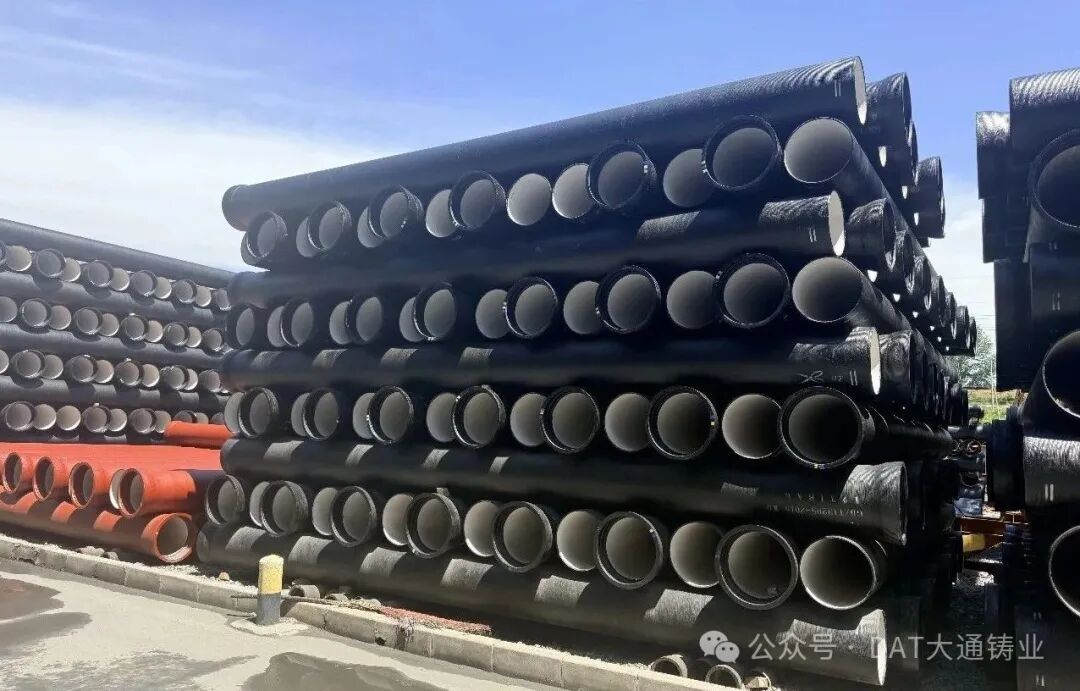
The long-term behavior of a ductile iron pipe starts at the foundry. Consistent metallurgy, controlled spheroidization, accurate casting, dimensional stability, and suitable finishing reduce the risk of weakness before installation begins.
Shanxi Datong Foundry Co.,Ltd. is located in Chuandi Industrial Park, Zezhou County. The company operates as an integrated manufacturing factory specializing in ductile iron pipes, fittings, and rubber sealing rings, combining smelting and casting processes.
What researchers should verify at the factory stage
- Material control: confirm that mechanical properties and ductility are suitable for buried pressure pipeline requirements.
- Dimensional accuracy: check socket, spigot, wall thickness, and ovality because joint performance depends on stable geometry.
- Coating and lining compatibility: match external and internal protection to water quality, soil environment, and project specifications.
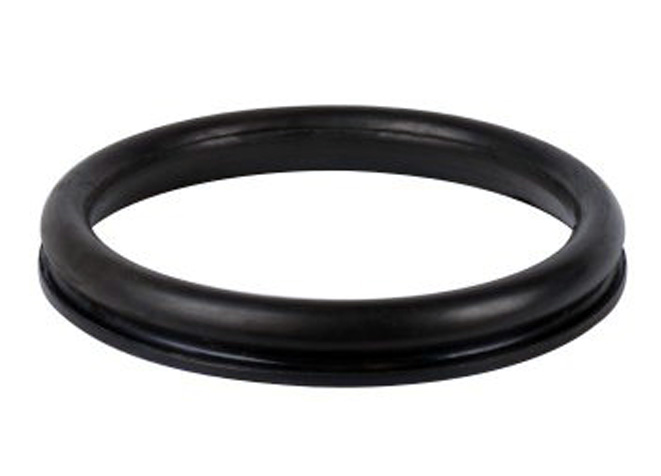
- Sealing system reliability: evaluate rubber sealing rings because leakage prevention depends on both pipe geometry and seal performance.
An integrated production model helps align pipes, fittings, and sealing rings. For infrastructure planners, that can simplify technical communication and reduce mismatch risk during procurement.
Ductile Iron Pipe Compared with Other Underground Pipe Materials
Material comparison is a common research task before budget approval. A ductile iron pipe is often evaluated against steel, PVC, HDPE, and concrete pressure pipe, depending on diameter, pressure, trench condition, and local practice.
The following comparison focuses on practical decision points rather than general claims.
A ductile iron pipe is not chosen only for lifespan. It is often selected where strength, pressure performance, joint reliability, and long-term maintainability carry more weight than initial material price alone.
Installation Details That Help Extend Service Life
Even a well-manufactured ductile iron pipe can underperform if installation damages coatings, disturbs joints, or leaves voids beneath the barrel. Lifespan estimates must include construction quality assumptions.
Practical installation checklist
- Inspect pipe ends, sockets, linings, coatings, and sealing rings before lowering sections into the trench.
- Use proper bedding to distribute loads and prevent point contact with rocks or hard trench bottom areas.
- Avoid dragging pipes across abrasive surfaces because damaged coating can create localized corrosion entry points.
- Control joint deflection within project limits to prevent leakage, seal stress, or uneven mechanical loading.
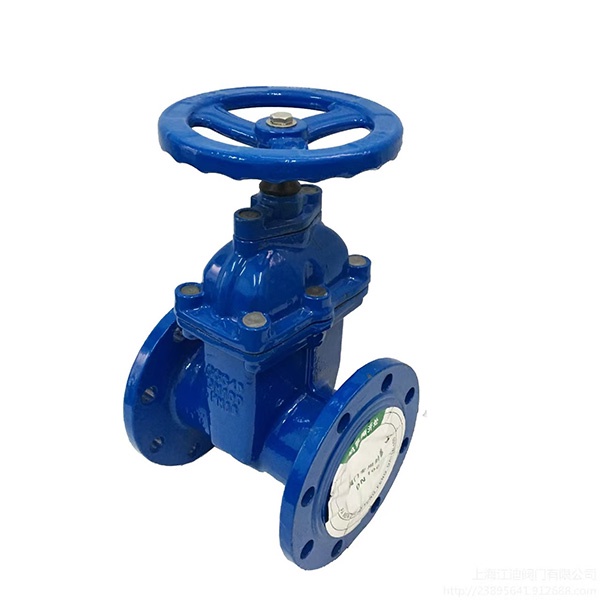
- Plan access for future maintenance, including repair sleeves, valves, fittings, and emergency restoration materials.
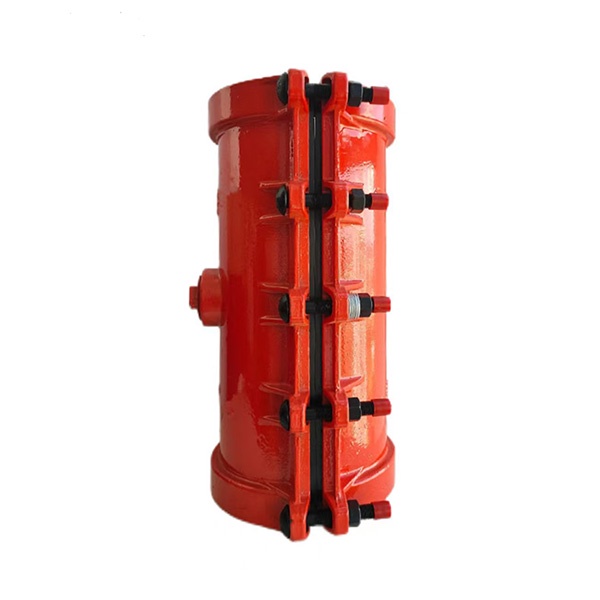
For maintenance planning, accessories also matter. In repair scenarios, a product such as Straight Split Repair Clamp (Blue) may be considered when evaluating emergency response options for straight pipe sections.
Procurement Guide: What Should Information Researchers Compare?
Procurement teams often face incomplete specifications, tight delivery schedules, and budget pressure. A ductile iron pipe purchase should be evaluated with technical, commercial, and after-sales factors together.
The table below can help organize supplier questions before requesting quotations or technical documents.
A complete quotation should not be judged by unit price only. Researchers should compare lifecycle cost, coating suitability, fitting compatibility, packaging, documentation, and communication efficiency.
Common Misconceptions About Ductile Iron Pipe Lifespan
Misunderstandings can lead to under-protection, over-specification, or unrealistic maintenance budgets. The following points are especially important during early design research.
Does thicker pipe always mean longer life?
Not always. Wall thickness helps mechanical strength, but corrosion protection and soil assessment may be more important in aggressive environments. A balanced specification is usually more economical.
Can underground pipe be installed without soil testing?
For small or low-risk projects, local experience may guide decisions. For major water transmission lines, soil and groundwater information provides stronger support for coating and protection choices.
Is maintenance unnecessary after installation?
No buried pipeline should be considered maintenance-free. Valve operation, leakage monitoring, pressure control, and emergency repair planning help protect the value of the ductile iron pipe system.
FAQ for Underground Ductile Iron Pipe Projects
How long should I estimate for preliminary lifecycle planning?
For early planning, many teams use several decades as a baseline and refine the estimate after reviewing soil, coating, installation, and hydraulic conditions. Conservative assumptions are safer for budget studies.
Which applications are most suitable for ductile iron pipe?
It is commonly used for municipal water supply, industrial water lines, irrigation networks, and infrastructure projects requiring pressure capacity, external load resistance, and durable joint performance.
What documents should buyers request before ordering?
Buyers should request technical specifications, dimensional information, coating and lining details, sealing ring compatibility, packaging details, and delivery schedules. Project standards should also be shared early.
How can repair planning influence long-term reliability?
Repair planning reduces downtime when damage or leakage occurs. Keeping compatible clamps, fittings, sealing parts, and operating procedures available supports faster restoration and better asset management.
Why Choose Us for Ductile Iron Pipe Consultation and Supply?
Shanxi Datong Foundry Co.,Ltd. supports information researchers, contractors, and procurement teams with practical communication around ductile iron pipe selection, fittings coordination, sealing ring matching, and project delivery planning.
As an integrated manufacturer combining smelting and casting processes, we can discuss pipe specifications, coating preferences, fitting requirements, rubber sealing options, packaging needs, and delivery schedules based on your application environment.
- Consult us if you need help confirming pipe diameter, pressure class, lining choice, or corrosion protection direction.
- Share project drawings, soil information, water conditions, and expected delivery dates for more focused technical discussion.
- Request quotation communication, sample support, customized matching of fittings and seals, or clarification of applicable project requirements.
If you are comparing underground pipeline options, contact us with your project parameters. We can help you evaluate a ductile iron pipe solution from technical suitability to procurement practicality.
Navigation
Send Us A Message

First class quality service and professional after-sales team.
Get in Touch
*We respect your confidentiality and all information are protected.