What are the disadvantages of ductile iron pipe?
Ductile iron pipe is widely valued for strength and long service life, but many buyers still ask: what are the disadvantages of ductile iron pipe? From weight and transportation costs to installation challenges and corrosion concerns in certain environments, understanding its limits is essential before making a project decision. As a specialized manufacturer of ductile iron pipes, fittings, and rubber sealing rings, Shanxi Datong Foundry Co., Ltd. helps customers evaluate both the benefits and the practical drawbacks for different applications.
The core search intent behind this topic is practical evaluation rather than basic definition. Readers usually want to know where ductile iron pipe creates extra cost, added risk, or operational limits compared with other piping materials.
For most decision-makers, the real question is not whether ductile iron pipe has disadvantages, but whether those disadvantages matter in a specific project. The answer depends on soil condition, installation method, budget, pressure requirements, and lifecycle expectations.
What buyers really need to know before choosing ductile iron pipe
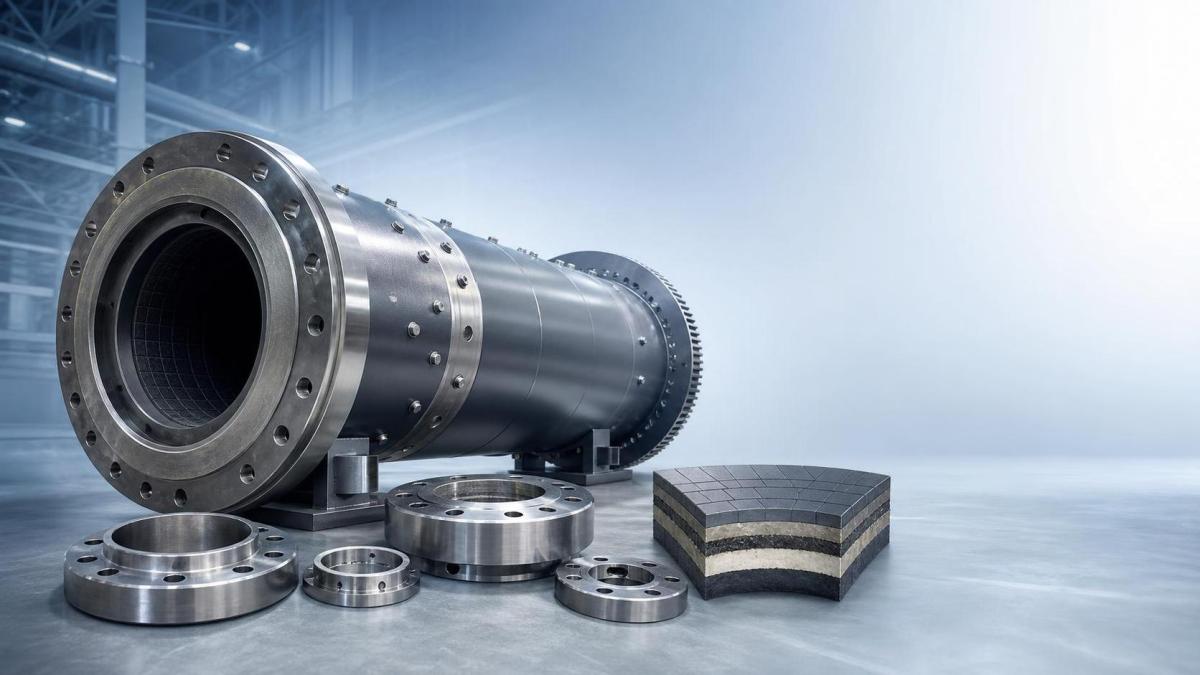
The main disadvantages of ductile iron pipe are its heavy weight, higher handling and transport cost, more demanding installation, and possible corrosion issues in aggressive environments. These factors can affect schedule, labor, and long-term maintenance planning.
That said, these drawbacks are not deal-breakers in every project. In municipal water systems, transmission lines, and buried infrastructure, many buyers still choose ductile iron because its mechanical strength and service record outweigh the practical limitations.
The most useful way to assess the material is to compare disadvantages against operating demands. A pipe that is harder to transport may still be the better choice if it reduces failure risk under traffic load, surge pressure, or external impact.
Heavy weight increases transportation and installation complexity
One of the most obvious disadvantages of ductile iron pipe is weight. Compared with plastic alternatives such as PVC or HDPE, ductile iron is significantly heavier, which changes logistics from the factory to the job site.
Heavier pipe sections usually require stronger lifting equipment, more careful loading practices, and higher freight expense. On large projects, transportation cost can become a meaningful part of the total procurement budget, especially when delivery distances are long.
Weight also affects on-site workflow. Contractors may need cranes, excavators, or other mechanical support to position and join the pipe safely. This can slow installation in remote locations or in projects with limited equipment access.
In urban works, heavy materials can create more traffic coordination issues and tighter staging constraints. If the site has narrow roads, restricted lifting space, or unstable ground, the handling burden becomes more important in material selection.
For buyers comparing multiple materials, this means the lowest pipe price does not always equal the lowest installed cost. Any honest assessment of disadvantages of ductile iron pipe should include transportation, unloading, and assembly requirements.
Installation often requires more labor and stricter site control
Ductile iron pipe is strong, but strength does not automatically mean easy installation. Its mass and rigid structure usually make installation more labor-intensive than lightweight piping systems, especially where crews must move quickly or work in confined trenches.
Joint assembly, bedding preparation, alignment, and handling procedures all demand attention. If the crew is inexperienced, installation errors can increase, leading to leakage risk, joint stress, or unnecessary delays during pressure testing and inspection.
Rigid pipe also offers less flexibility than some polymer materials. In routes with frequent directional changes, uneven terrain, or settlement concerns, contractors may need more fittings, more precise trench work, or more planning to maintain correct line geometry.
These practical challenges matter to project managers because they affect labor cost and schedule reliability. A material that performs well in operation can still create short-term delivery pressure if the installation environment is difficult.
For projects that require dependable structural performance, buyers sometimes accept these installation challenges as part of the tradeoff. Products such as Grade C Ductile Iron Pipe are often considered where strength is a higher priority than installation speed alone.
Corrosion can be a serious concern in aggressive soil or water conditions
Another important disadvantage of ductile iron pipe is vulnerability to corrosion if environmental conditions are unfavorable and protection measures are inadequate. This issue is especially relevant in soils with high moisture, chlorides, acidity, or stray current exposure.
Corrosion does not mean ductile iron is unsuitable everywhere. It means site conditions must be understood before specifying the material. Without that assessment, buyers may underestimate future maintenance, protective lining needs, or the benefit of external coatings and cathodic measures.
Internal corrosion can also be a factor depending on the conveyed medium and water chemistry. In potable water and municipal applications, proper lining systems are commonly used, but buyers still need to confirm that the selected protection matches the service environment.
The risk here is not just material degradation. Corrosion can shorten service life, increase leak probability, and raise rehabilitation cost later. For asset owners focused on total lifecycle value, this is one of the most important disadvantages to analyze carefully.
A disciplined procurement process should include soil testing, water quality review, and a clear decision on coating or lining requirements. When those steps are skipped, the long-term cost of ownership can be higher than expected.
Initial project cost may be higher in some comparisons
When buyers ask what are the disadvantages of ductile iron pipe, they are often comparing it with lower-cost materials. In many cases, the initial material price and installed cost can be higher than lighter non-metal alternatives.
The pipe itself may represent only part of that difference. Added freight, heavier equipment, and longer installation time can push the first-phase budget upward. This matters for cost-sensitive developments where short-term capital spending drives procurement decisions.
However, this point needs nuance. A higher initial cost does not automatically mean poor value. In high-pressure systems, areas with external loading, or networks that require impact resistance, the stronger material may reduce failure-related costs later.
Still, for buyers under strict budget pressure, the upfront cost remains a genuine drawback. It becomes more noticeable in projects where the operating environment is mild and the extra structural capacity may not be fully necessary.
The right comparison is not pipe against pipe in isolation. It is total installed cost, expected service life, maintenance burden, and operational risk. That broader view helps determine whether the disadvantage is material or only apparent.
Not always the best fit for every terrain, project scale, or installation method
Ductile iron pipe performs well in many buried infrastructure systems, but it is not universally ideal. In projects requiring long continuous pulls, trenchless flexibility, or very rapid manual installation, other materials may offer practical advantages.
For example, flexible piping systems can be easier in routes with frequent bends or in conditions where ground movement is a bigger concern. Lightweight materials may also simplify work in rural extensions, temporary systems, or small-diameter installations with limited machinery.
This does not reduce the value of ductile iron. It simply means buyers should avoid treating it as the default answer in every situation. Material choice should follow service conditions, construction method, and the owner’s risk tolerance.
Experienced manufacturers understand this balance. Shanxi Datong Foundry Co., Ltd., based in Chuandi Industrial Park, Zezhou County, combines smelting and casting processes to produce ductile iron pipes, fittings, and rubber sealing rings while helping customers match product selection to actual application demands.
In many infrastructure projects, a second review of class, diameter, joint system, and protection design can significantly improve the final outcome. Even when the material is right, the wrong specification can make its disadvantages more visible than necessary.
How to judge whether these disadvantages matter for your project
The most useful evaluation method is to ask four direct questions. First, how aggressive are the soil and water conditions? Second, what handling equipment and site access are available? Third, what pressure and external load must the pipeline withstand?
Fourth, what matters more to the owner: lower upfront spending or stronger long-term structural performance? These questions quickly clarify whether the disadvantages of ductile iron pipe are minor project constraints or major reasons to consider alternatives.
If corrosion risk is manageable, equipment access is good, and structural reliability is critical, ductile iron often remains a strong choice. If the site is constrained, the budget is tight, and flexibility is a priority, another material may deserve closer review.
It is also wise to evaluate the full system, not only the straight pipe sections. Fittings, joint type, sealing performance, protective coatings, and installation quality all influence whether the material’s drawbacks will be amplified or controlled in practice.
Buyers looking at municipal or industrial infrastructure often benefit from comparing several realistic scenarios rather than one headline cost number. That is the difference between a procurement decision and a lifecycle decision.
Final assessment: the disadvantages are real, but context decides their importance
So, what are the disadvantages of ductile iron pipe? The clearest answer is that it is heavy, costlier to transport and install, less flexible than some alternatives, and potentially vulnerable to corrosion in unsuitable environments without proper protection.
These disadvantages are real, and buyers should not ignore them. But they do not automatically make ductile iron a poor choice. In many demanding water and infrastructure applications, its strength and reliability still justify the tradeoffs.
The best decision comes from matching the material to the job. When project teams examine site conditions, installation constraints, lifecycle cost, and protection requirements carefully, they can judge whether solutions such as Grade C Ductile Iron Pipe fit the application well.
For serious buyers, the goal is not to find a perfect material with no disadvantages. It is to choose the option whose limitations are understood, manageable, and acceptable within the technical and commercial realities of the project.
Navigation
Send Us A Message

First class quality service and professional after-sales team.
Get in Touch
*We respect your confidentiality and all information are protected.