For distributors and agents, a larger order does not always mean a lower ductile iron pipe price per metre or a stronger resale margin.
Bulk purchasing delivers savings when standardized specifications, consolidated production runs, and efficient shipments reduce costs enough to outweigh financing, storage, and slower inventory turnover.
The practical test is whether the additional metres lower your total cost per saleable metre while matching demand you can reasonably expect to fulfil.
This guide explains how to compare quotations, identify useful volume thresholds, and negotiate with integrated manufacturers such as Shanxi Datong Foundry Co., Ltd.
When does a larger order actually become cheaper?
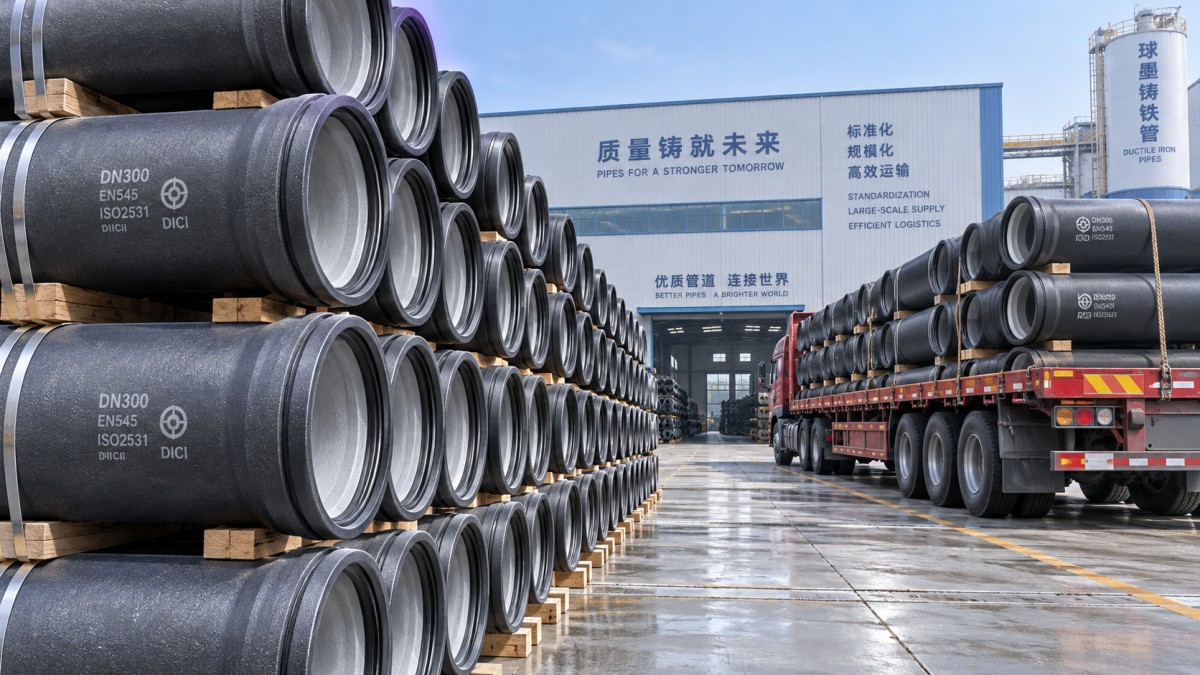
A meaningful bulk discount usually reflects an operational saving: fewer production changeovers, better purchasing efficiency, more predictable scheduling, or improved utilization of freight capacity.
Ask suppliers what changes at each quantity threshold. A lower rate tied to a consolidated production batch has a clearer basis than an unexplained discount.
Request quotations for three realistic quantities using identical specifications and delivery assumptions. Compare the incremental savings against the additional cash and inventory each option requires.
The best purchasing quantity often sits below the largest discount tier, especially when moving into that tier creates stock without an identifiable sales outlet.
Standardize specifications before negotiating volume
An order covering several diameters, wall classes, joint types, and coatings may create multiple production requirements. Its total metreage alone does not guarantee manufacturing efficiencies.
Group demand by exact specification, including the applicable standard, nominal diameter, pipe class, effective laying length, joint system, internal lining, and external coating requirements.
Confirm whether the supplier measures discount thresholds by total order value, tonnes, metres, or quantity within each specification. These approaches can produce different purchasing decisions.
Prioritize repeat products with established demand. Adding uncommon specifications merely to increase order size can dilute savings and leave expensive stock occupying warehouse space.
Never accept a cheaper specification without checking project requirements. A quotation for different protection, dimensions, or joint performance does not establish a comparable price advantage.
Compare landed cost per saleable metre
The quoted ductile iron pipe price is only one component of your cost. Freight, import charges, unloading, inspection, financing, and storage can change the result.
Calculate landed cost using consistent assumptions: divide purchase costs and attributable logistics, financing, and inventory costs by the metres you reasonably expect to sell.
Clarify the Incoterms rule and named place in each quotation. Otherwise, one supplier’s attractive rate may exclude transport or handling included in another offer.
The following example uses hypothetical figures to demonstrate the calculation. It represents two comparable specifications, with all amounts expressed in the same illustrative currency.
Here, bulk purchasing saves 3.00 per metre after additional carrying costs. The saving depends on selling the assumed quantity without further delays or markdowns.
If slow turnover adds more than 3.00 per metre to the bulk option, its apparent advantage disappears. Test this downside before accepting the discount.
Check whether freight efficiency supports the discount
Pipe diameter, length, mass, packaging, and loading arrangements determine shipment efficiency. More metres do not automatically translate into proportionally lower freight costs per metre.
Ask for a loading proposal showing quantities by specification, shipment method, gross weight, and expected transport units. Confirm applicable weight limits and unloading requirements.
A modest quantity increase may improve vehicle utilization, while another increase may require an additional vehicle or container and raise the average delivered cost.
Request separate freight calculations around these breakpoints. Also check destination access, lifting equipment, handling charges, and whether partial deliveries create additional transport or unloading costs.
Protect your margin from slow inventory turnover
Base bulk quantities on customer commitments, repeat sales history, and realistic replenishment lead times. Treat speculative demand separately when assessing how much stock to purchase.
Estimate months of stock coverage for each specification. A fast selling diameter may support volume purchasing, while a project specific item may require customer confirmation.
Include deposit timing, balance payment, customer credit terms, and borrowing costs. A lower purchase rate can still strain cash flow before distributors collect resale revenue.
Check storage capacity and handling practices for pipes, coatings, joints, and sealing rings. Follow supplier guidance, including ring storage conditions and any stated shelf life.
Run a delayed sales scenario alongside your expected case. If modest delays erase the discount, a smaller order may provide better protection for resale margins.
Negotiate release schedules as well as price
Where demand is predictable but immediate storage capacity is limited, discuss a volume commitment with scheduled releases. Availability depends on the supplier’s production and commercial arrangements.
Agree how prices apply across releases, when payment becomes due, and who carries storage costs. Document ownership, delivery dates, and responsibility for damage before dispatch.
Confirm whether the manufacturer will produce one consolidated batch or several separate runs. Split deliveries may preserve purchasing benefits, but they can increase freight costs.
Also ask whether combining compatible customer orders meets a discount threshold. This works best when specifications and delivery windows align without creating excessive allocation complexity.
Verify quality and scope before accepting the quotation
Require a written specification schedule, agreed inspection documentation, traceability requirements, and a process for resolving shortages or defects. Bulk volume increases exposure to inconsistent supply.
Clarify whether gaskets, fittings, protective packaging, and required documentation are included or priced separately. Compare effective laying metres consistently, particularly when quoted pipe lengths differ.
Quality costs extend beyond replacement material. Rejected deliveries can generate extra handling, delayed customer payments, and urgent replenishment expenses that consume the original discount.
For distributors also purchasing industrial workshop equipment, Use all-in-one machine offers efficient grinding and consistent results; assess its suitability separately against the intended application.
What to ask an integrated manufacturer
Shanxi Datong Foundry Co., Ltd. is located in Chuandi Industrial Park, Zezhou County, and manufactures ductile iron pipes, fittings, and rubber sealing rings.
Its integrated manufacturing scope combines smelting and casting processes. Ask how your specification mix and proposed delivery schedule affect production planning and available quotation options.
Provide a purchasing schedule covering quantities by specification, destination, required delivery dates, and expected repeat demand. This gives the manufacturer a clearer basis for pricing.
Request separate confirmation of volume thresholds, quotation validity, payment milestones, inspection arrangements, and freight assumptions. Treat any proposed savings as conditional until these details align.
Choose the quantity that protects your resale margin
Bulk purchasing reduces the ductile iron pipe price per metre most effectively when repeat demand, standardized production, and efficient transport support the same purchasing quantity.
Approve the larger order when its total cost per saleable metre remains lower under realistic sales delays, and the additional stock fits your cash capacity.
If those conditions fail, negotiate scheduled releases, consolidate compatible demand, or reduce the quantity. The strongest buying decision converts a supplier discount into sustainable resale profit.