Common Coating and Corrosion Issues in Ductile Iron Pipe K9
For Ductile Iron Pipe K9, the most common coating and corrosion problems usually come from damaged linings, poor handling, aggressive soil conditions, and joint-related moisture ingress. For after-sales maintenance teams, the real task is not just naming the defect, but identifying where it starts, how fast it can spread, and whether the pipe can be repaired in the field or must be replaced.
From a maintenance perspective, the best response is early inspection and a practical diagnosis process. Shanxi Datong Foundry Co.,Ltd. understands that pipe durability depends on both manufacturing quality and installation condition, so this guide focuses on the issues that matter most in service: surface coating damage, localized corrosion, joint sealing failure, and preventive actions that reduce repeat callouts.
What Usually Goes Wrong First?
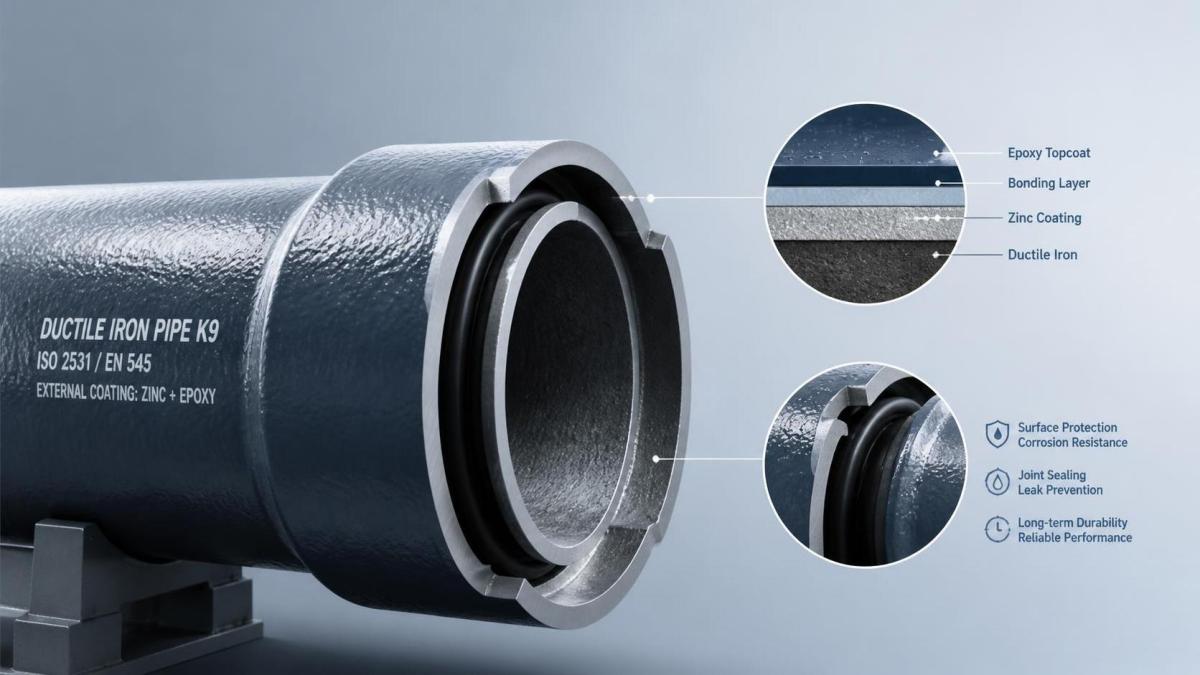
In most field cases, coating problems appear before major corrosion does. Transport scratches, impact during stacking, and poor site handling can expose the ductile iron surface, allowing moisture and soil chemistry to attack the base metal.
Once the coating is breached, corrosion often develops at small points first. These spots may look minor, but they can expand under wet soil, stray current, or repeated freeze-thaw cycles, especially where inspection is delayed.
For maintenance teams, the first warning signs are usually discoloration, blistering, chalking, rust staining, or flaking near joints and cut ends. These signs should be treated as active risk indicators rather than cosmetic defects.
Why Do Coating Failures Happen?
The most frequent cause is mechanical damage. Even a high-quality coating system can fail if the pipe is dragged, struck, or stored on uneven ground without proper padding and separation.
Another common cause is surface preparation. If the pipe surface is not cleaned and prepared correctly before coating, adhesion weakens and hidden defects become harder to detect during installation.
Environmental mismatch is also important. A coating that performs well in neutral soil may age much faster in acidic, saline, or constantly damp conditions, so maintenance staff should always check the local exposure profile.
Where Corrosion Starts in Service
Corrosion rarely develops evenly across the entire pipe. It usually concentrates at exposed edges, damaged coating areas, bolt zones, cut ends, and places where water can stay trapped after rain or flushing.
Joints deserve special attention because sealing problems can create a pathway for moisture and contaminants. A small assembly defect may not fail immediately, but it can become a recurring leak or corrosion point over time.
In many cases, the pipe body looks acceptable while the joint zone is deteriorating. That is why after-sales inspections should always include both surface checks and seal condition checks, not one or the other.
How Rubber Components Affect Long-Term Protection
Sealing elements play a direct role in corrosion control because they help keep water, grit, and aggressive media out of vulnerable interfaces. A worn or poorly matched seal can turn a stable pipe section into a maintenance problem.
When replacement is needed, choosing the right sealing part matters as much as the coating repair itself. A properly matched Rubber Ring1 can improve joint reliability and reduce repeat leakage complaints.
Maintenance teams should verify elasticity, fit, and surface condition before installation. If the ring is twisted, aged, or contaminated, the joint may seal temporarily but still fail under pressure variation or movement.
Practical Inspection and Repair Steps
Start with a visual survey. Mark coating loss, rust spread, joint seepage, and any section that has been exposed to standing water or aggressive backfill.
Then separate the issues into three categories: superficial coating damage, early corrosion, and structural risk. Superficial damage can often be repaired locally, while deeper corrosion may require more careful evaluation.
For minor coating defects, clean the area, remove loose material, dry the surface, and apply the correct repair system according to site practice. For recurring joint problems, inspect the seal, alignment, and installation method before reinstalling.
How to Reduce Repeat Failures
Prevention is usually cheaper than repeated field repair. Good storage, proper lifting, padded transport, and controlled stacking all reduce the chance of coating damage before installation.
During commissioning, teams should document soil condition, bedding quality, and any special corrosion risks. That record helps maintenance staff explain why one section performs well while another deteriorates early.
Routine inspection intervals should also be based on exposure severity. Wet ground, chemical soil, and heavy vibration zones need more frequent checks than stable dry installations.
What After-Sales Teams Should Remember
Common coating and corrosion issues in Ductile Iron Pipe K9 are manageable when they are caught early and traced to the real cause. The goal is not only repair, but also preventing the same failure from returning in the next service cycle.
For after-sales maintenance personnel, the most useful habit is to inspect coating integrity, joint sealing, and environmental exposure together. That combination gives a clearer diagnosis and leads to faster, more reliable field decisions.
In practice, durable performance depends on installation discipline, correct repair methods, and dependable sealing parts. When those elements are controlled, the pipe system stays more stable, service interruptions drop, and maintenance work becomes far more predictable.
Navigation
Send Us A Message

First class quality service and professional after-sales team.
Get in Touch
*We respect your confidentiality and all information are protected.