Ultimate Guide to Ductile Iron Pipes: Specifications, Standards, and Applications
In modern infrastructure development, selecting the correct pipeline material is a critical decision that determines project longevity, safety, and long-term financial viability. Among available materials, Ductile Iron Pipes have established themselves as the global industry benchmark for water transmission, municipal sewage, and industrial fluid transport. Combining the tensile strength of steel with the superior corrosion resistance of gray cast iron, ductile iron piping systems deliver unmatched reliability under demanding conditions.
1. Understanding Structural Classifications: K9 vs. Modern Standards
When designing high-pressure trunk lines or deep-trench networks, structural classification dictates wall thickness and safety factors.
Ductile Iron Pipe K9: Wall Thickness, Pressure Ratings & High-Pressure Applications Guide
The
Read More: Explore how K9 pressure classes protect deep-trench underground networks.
Grade C Ductile Iron Pipe: The Modern Lightweight & High-Performance Standard
As engineering practices evolve toward resource optimization and carbon reduction, the
Read More: Discover how lightweight Grade C engineering reduces overall project carbon footprints.
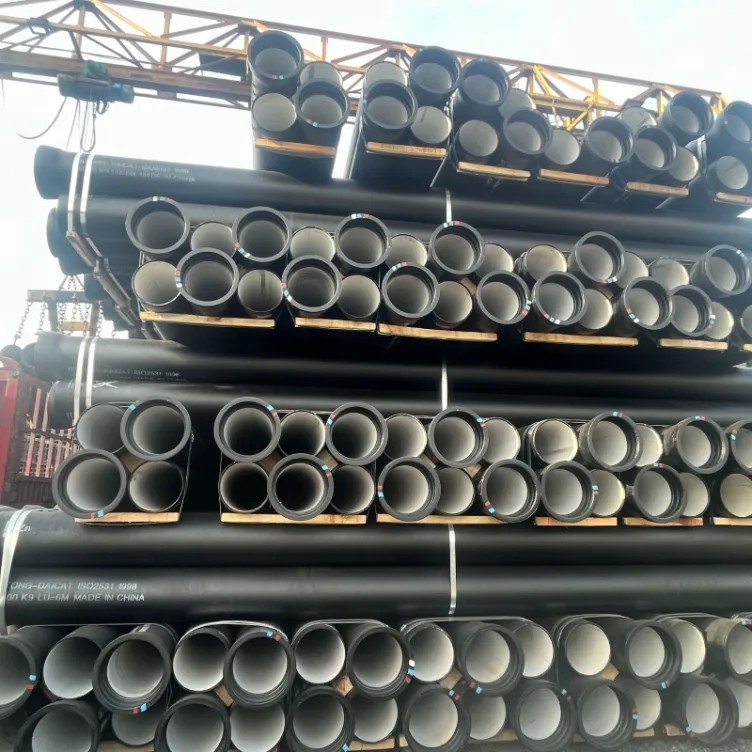
2. Municipal Applications: Water Supply & Drainage Networks
Infrastructure requirements differ significantly between clean drinking water distribution and aggressive wastewater removal.
Ductile Iron Water Supply Pipe: Ensuring Safe & Reliable Municipal Drinking Water
Public health relies heavily on the integrity of municipal water networks. The
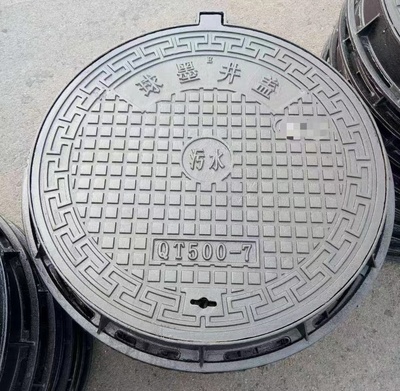
Ductile Iron Drainage Pipe: Ultimate Corrosion Resistance for Urban Sewage Systems
Urban sewage and industrial wastewater environments present severe chemical challenges. The
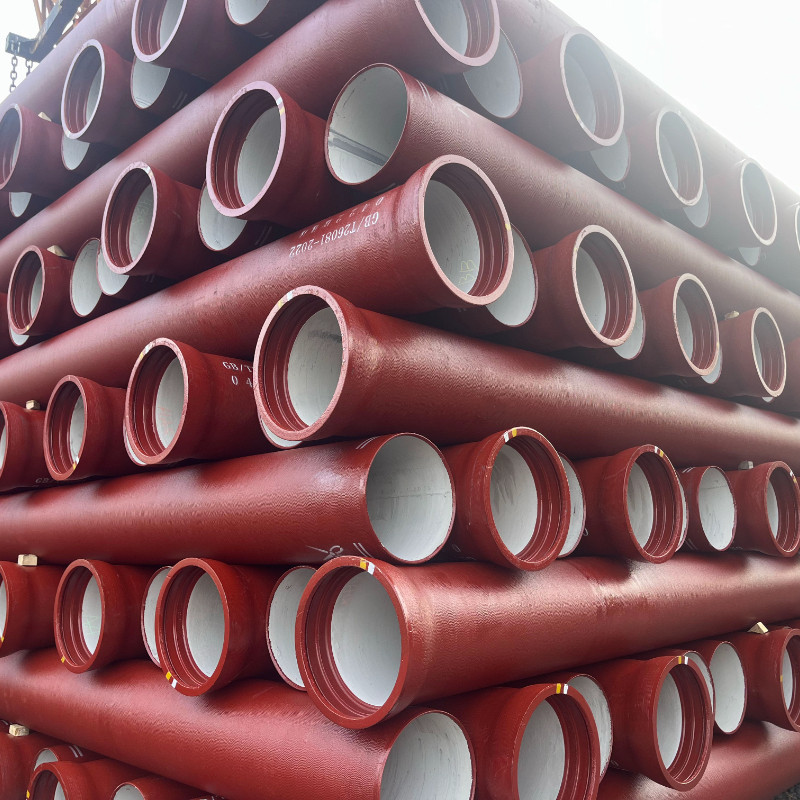
3. Engineering Specifications & Material Comparisons
Precision sizing and material selection form the backbone of sound hydraulic engineering.
Ductile Iron Pipe Sizes & Dimensions Chart (DN80 - DN2600): Complete Engineering Specs
Hydraulic calculations require precise dimensional data. Our
Ductile Iron Pipes vs. Steel Pipes: Which Is Better for Your Infrastructure Project?
A frequent debate in procurement offices is
4. Installation, Fittings, Coatings, and Quality Assurance
Ensuring long-term pipeline performance requires strict adherence to installation protocols, fitting compatibility, and metallurgical protection.
How to Install Ductile Iron Pipes: Step-by-Step Installation Guide for Contractors
Proper execution on-site prevents future ground-settlement failures. The
Advanced Anti-Corrosion Coating Technologies for Ductile Iron Pipes: Zinc-Alloy & Epoxy
Environmental longevity depends heavily on exterior protection. Our
Essential Ductile Iron Pipe Fittings Guide: Bends, Tees, and Flanges for Seamless Networks
A pipeline is only as unified as its junctions. The
Quality Testing Standards: ISO 2531 & EN 545 Compliance for Ductile Iron Pipes
Global buyers require absolute verification of quality. Our
Conclusion & Call to Action (CTA)
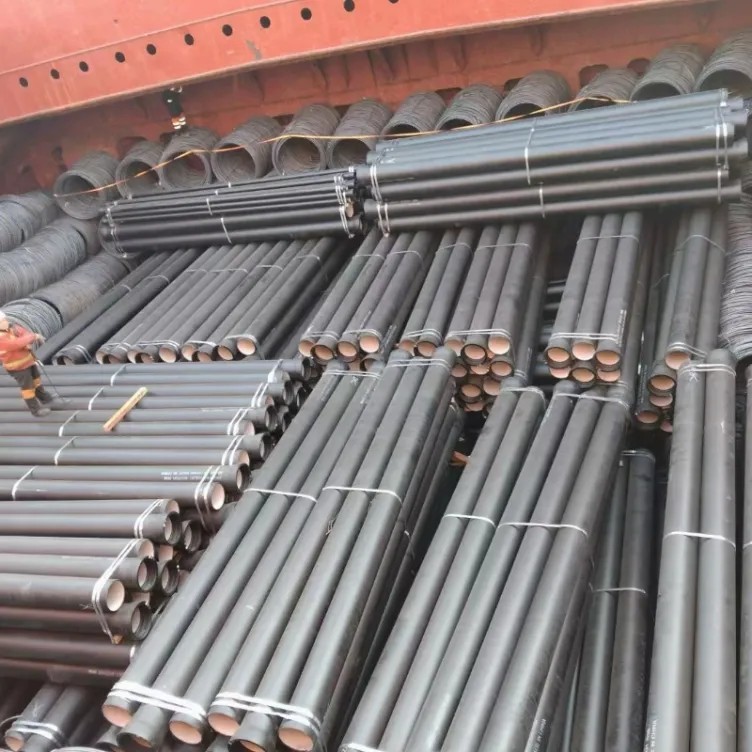
Integrating high-performance Ductile Iron Pipes into your infrastructure guarantees structural safety, lower maintenance expenditure, and extended service life. Shanxi Datong Foundry Co., Ltd. stands ready to support your engineering endeavors with a 500,000-ton annual capacity, advanced manufacturing lines, and dedicated international logistics support.
Ready to source high-durability piping for your upcoming infrastructure project?
Frequently Asked Questions (FAQ)
What is the expected service life of ductile iron pipes in underground installations?
A: When properly specified with appropriate external coatings (such as zinc-aluminum and finishing layers) and correct cement mortar linings, high-quality ductile iron pipes are designed to achieve a reliable operational lifespan exceeding 50 to 100 years.
What joint types are available for connecting ductile iron pipes and fittings?
A: The most common connection method is the push-on flexible joint (using a specialized EPDM or SBR rubber sealing ring), which accommodates minor ground settlement and thermal expansion. For high-thrust or high-pressure zones, restrained joint systems (self-anchoring joints) are utilized to prevent pipe separation.
Do your ductile iron pipes comply with international export standards?
A: Yes. All manufacturing processes strictly adhere to major global standards including ISO 2531, EN 545 (for water pipelines), and EN 598 (for sewage applications), ensuring seamless integration into international EPC project specifications.
Navigation
Send Us A Message

First class quality service and professional after-sales team.
Get in Touch
*We respect your confidentiality and all information are protected.